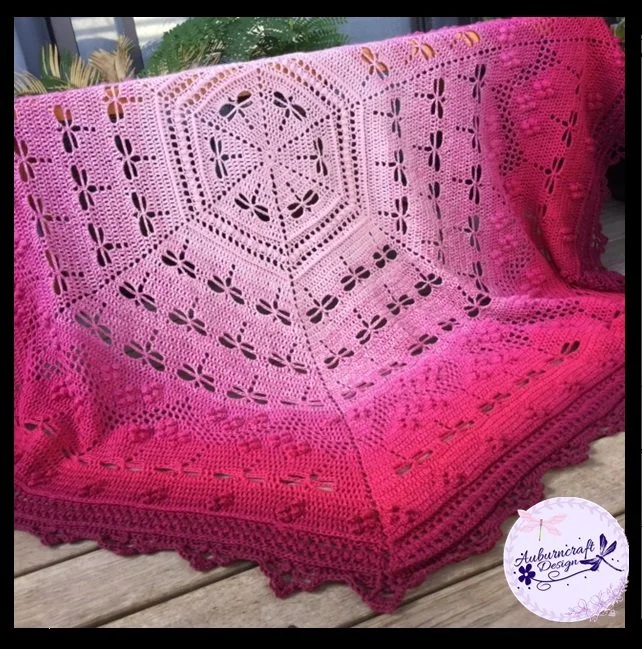
Filet Crochet. Tips on How to Keep it Neat!
What is Filet Crochet?
Tips for Neat Filet Crochet
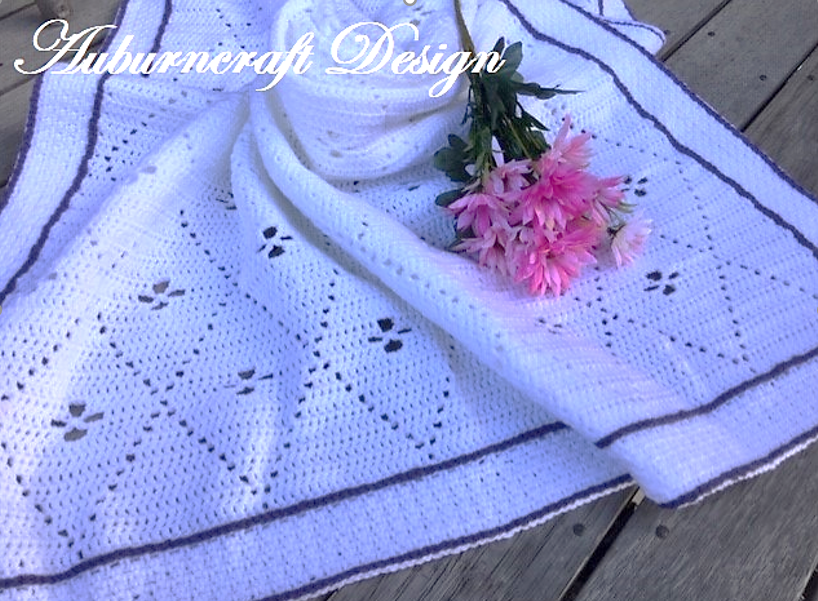
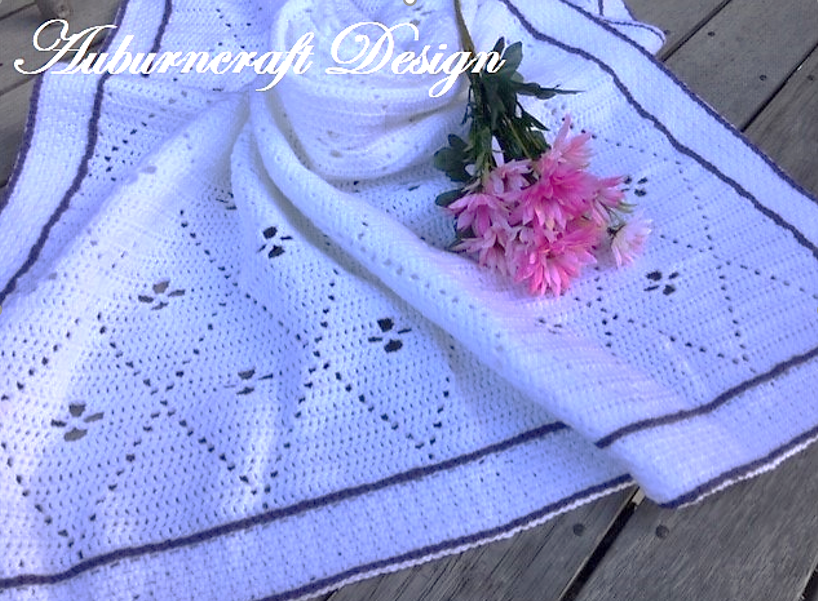
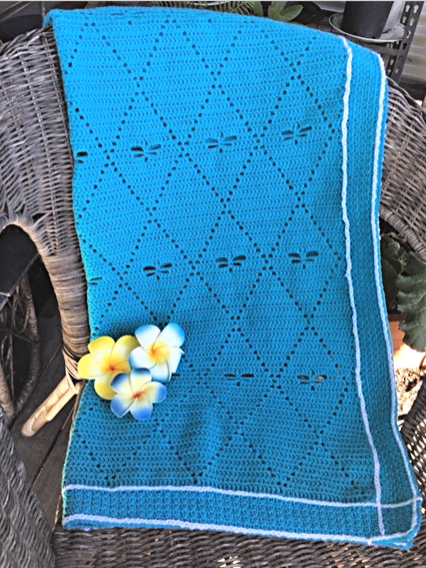
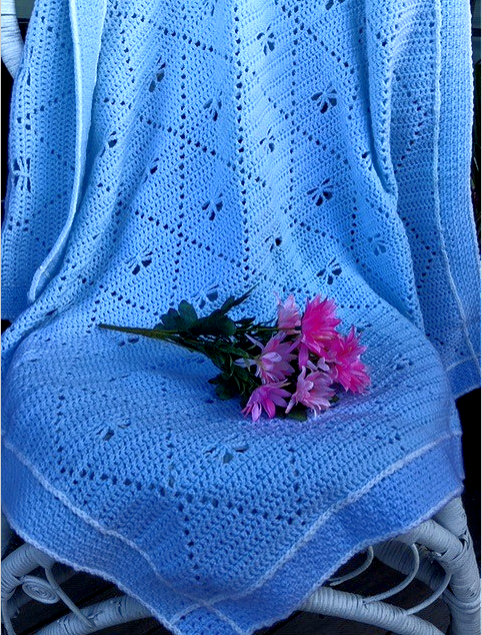
I do love a bit of filet crochet. Watching the pattern slowly appear is incredibly satisfying. Filet can look absolutely stunning when worked neatly, but getting those crisp little blocks can be tricky.
So, if your filet work is starting to look more like a maze no one is ever going to escape from, here are a few helpful tips to keep it neat and tidy.
Keep your starting chain consistent. Your foundation chain needs to match the tension you’ll use throughout the project. If you tend to chain tightly, go up a hook size for the chain. Otherwise, the bottom edge of your blanket may bow.
Maintain even tension. Consistent tension is key to creating neat blocks.
Watch your stitch height. Tension and stitch height are not the same thing. If you struggle with stitch height, there are many helpful tutorials online that can assist.
Work into the chain space, not around it. It’s very tempting to crochet around the chain loop instead of into it. But if you want your filet design to really pop, take the time to work solid block stitches into the chain, not around it.
Stack your stitches neatly. Ensure each double crochet sits squarely on top of the double crochet in the row below.
Consider a standing double crochet. Chaining three at the beginning of a row can sometimes look messy. A standing double crochet (US terms), or standing treble crochet (UK terms), can create a much cleaner edge.
Count your stitches regularly. Count each row and section. Discovering you missed a stitch ten rows back is no fun at all.
Choose your yarn wisely. Some colours show filet work better than others, and fibre content can make a big difference. A flatter yarn such as cotton often creates more defined stitches and sharper detail.
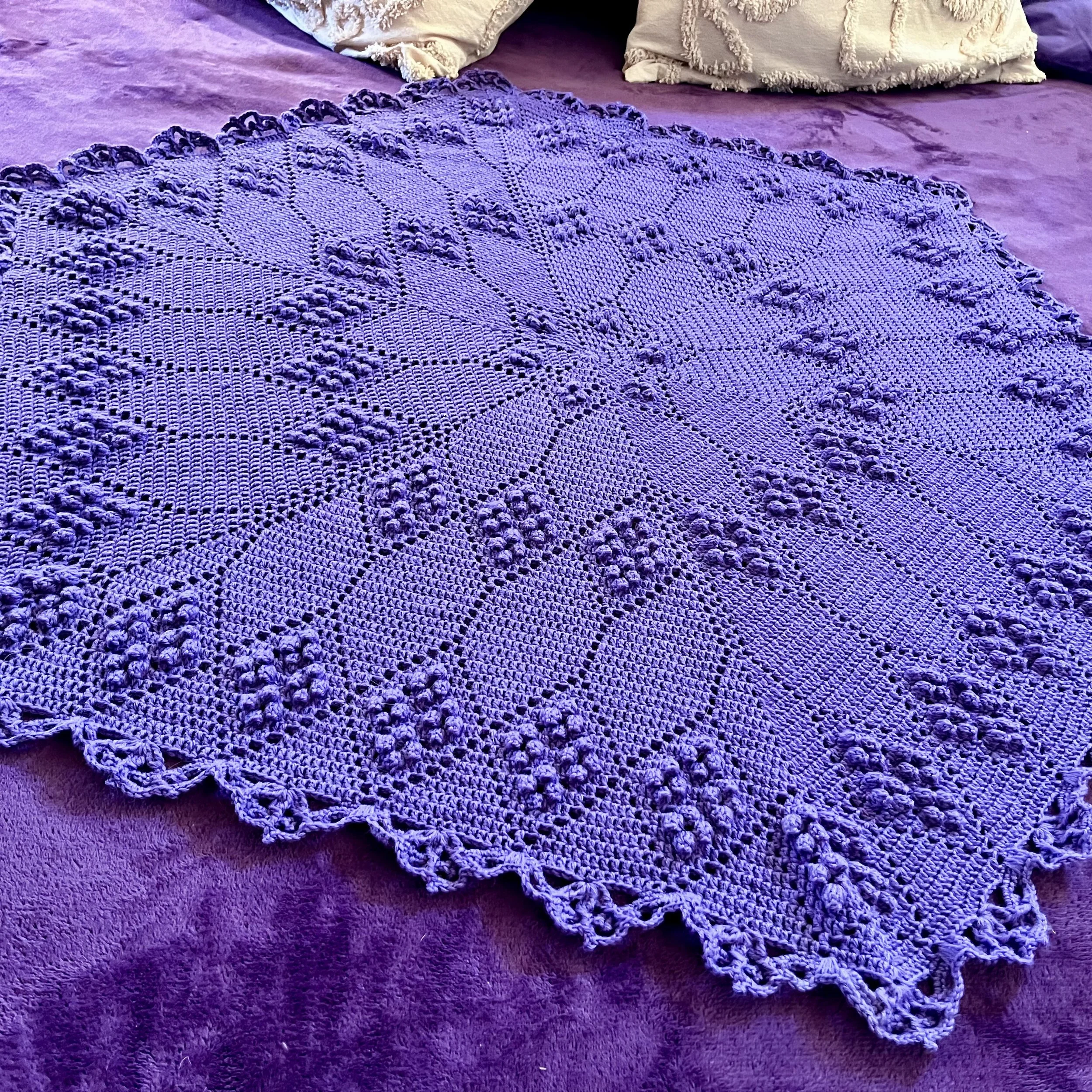
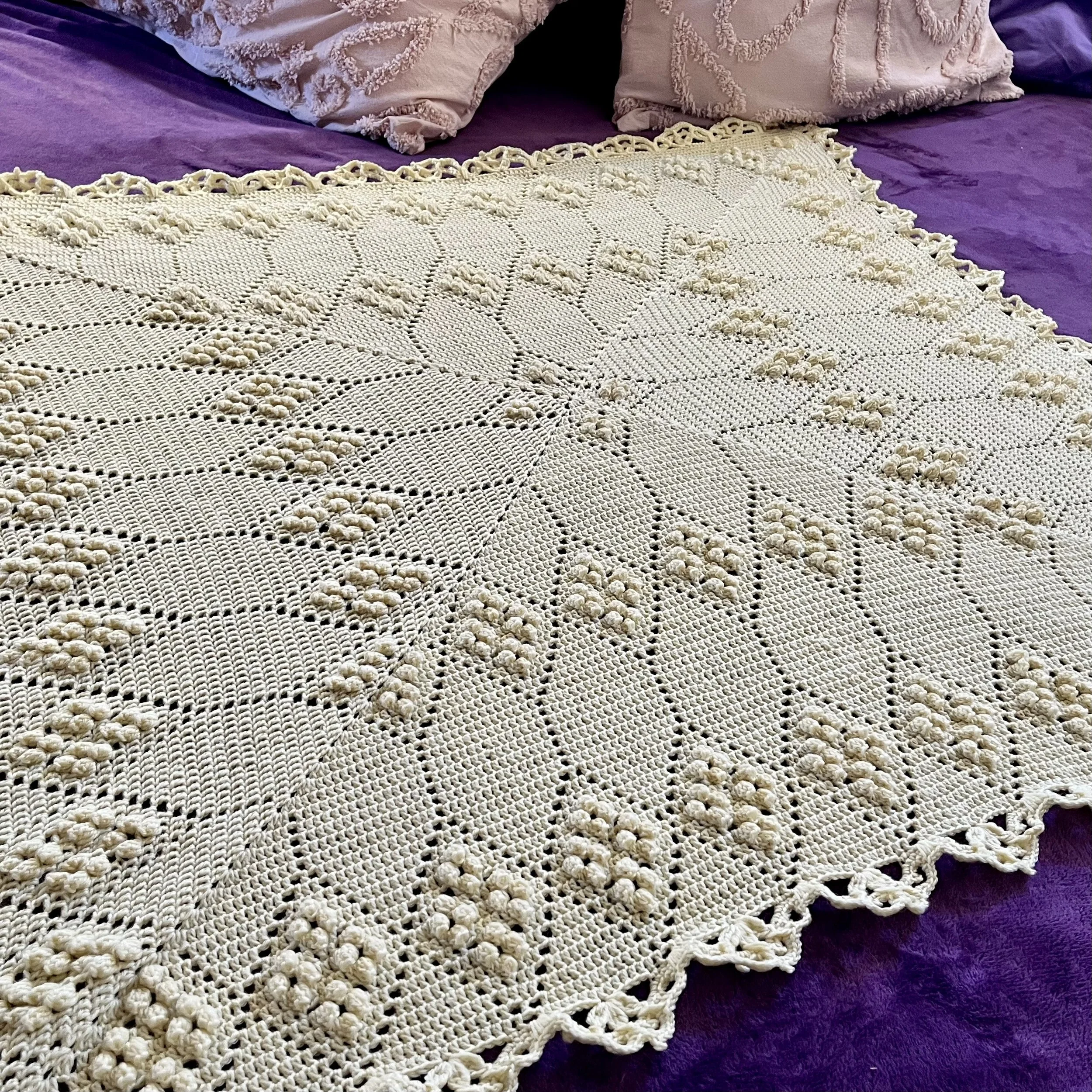
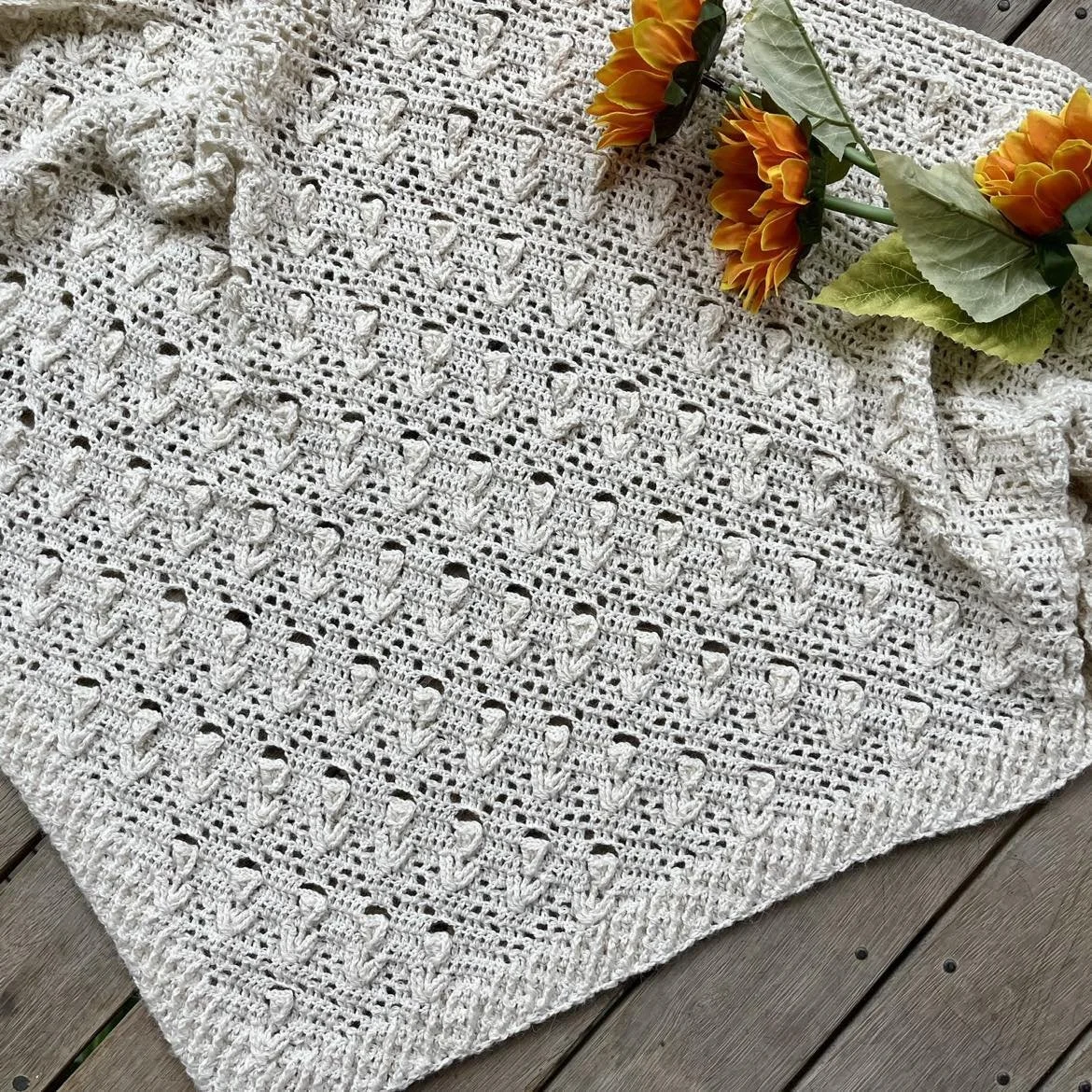
Filet Crochet does not have to be just open and closed blocks. Once you get past the basics of Filet Crochet, you can step into slightly more advanced patterns such as adding blocks that span two normal sized blocks, with chains and Single crochet (USA terms). Below pictures showing a close up of this as an example.

An example of more advanced techniques that can be incorporated into Filet Crochet,
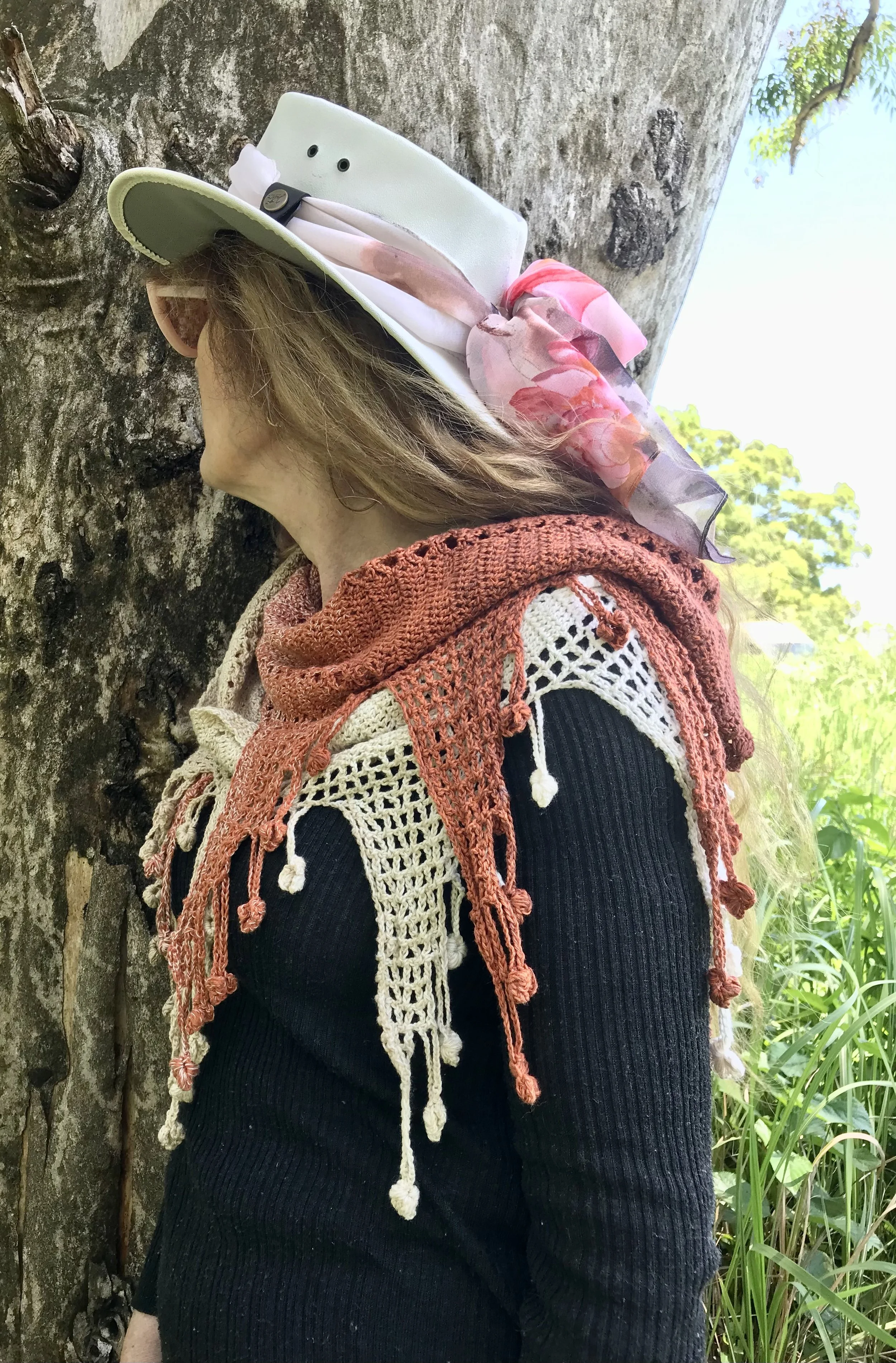
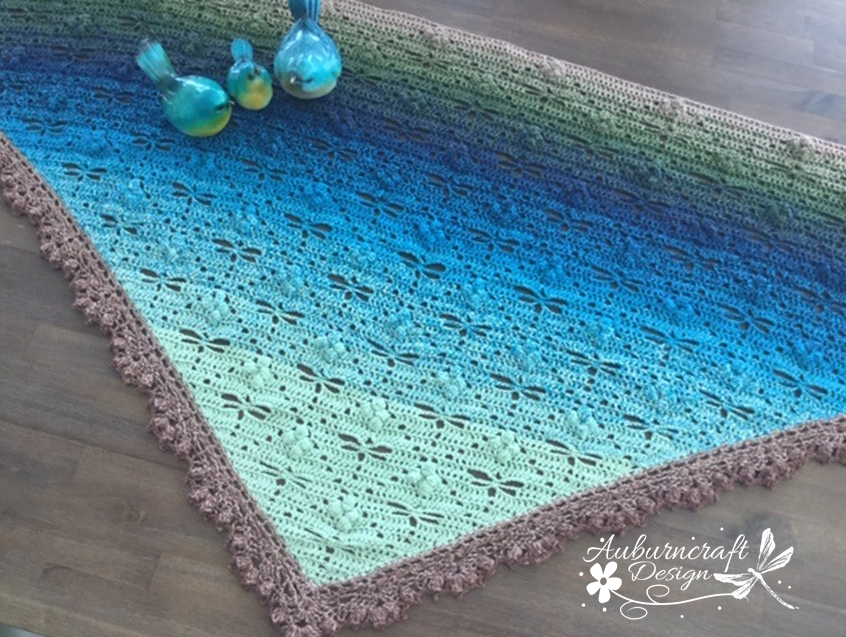
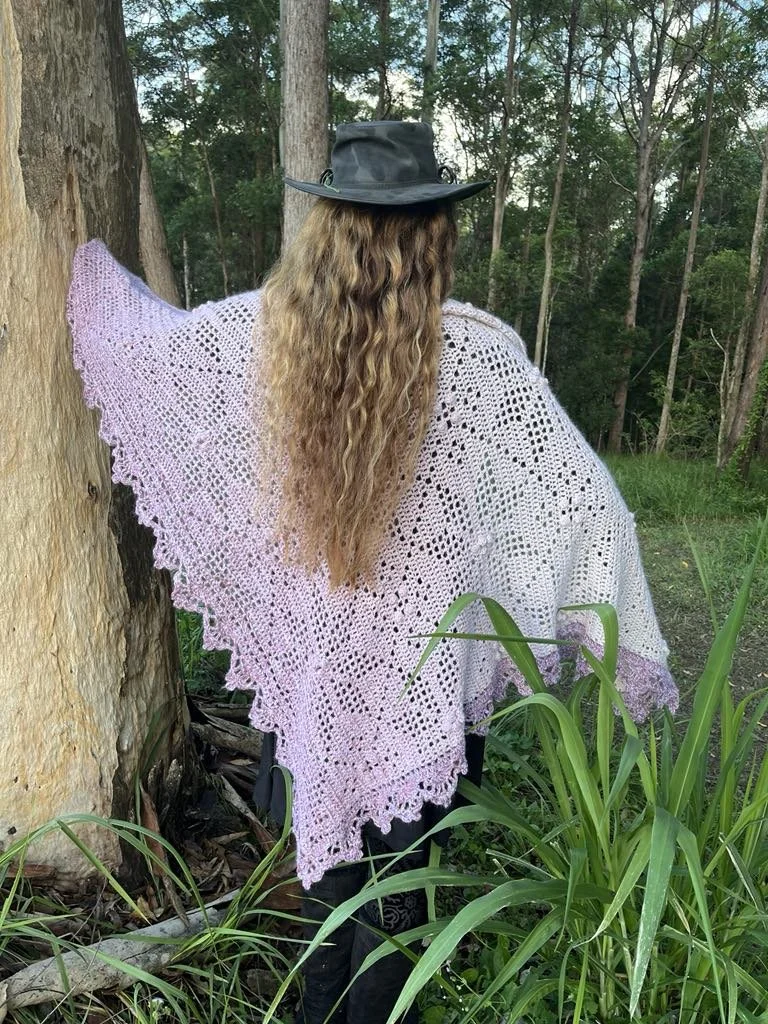
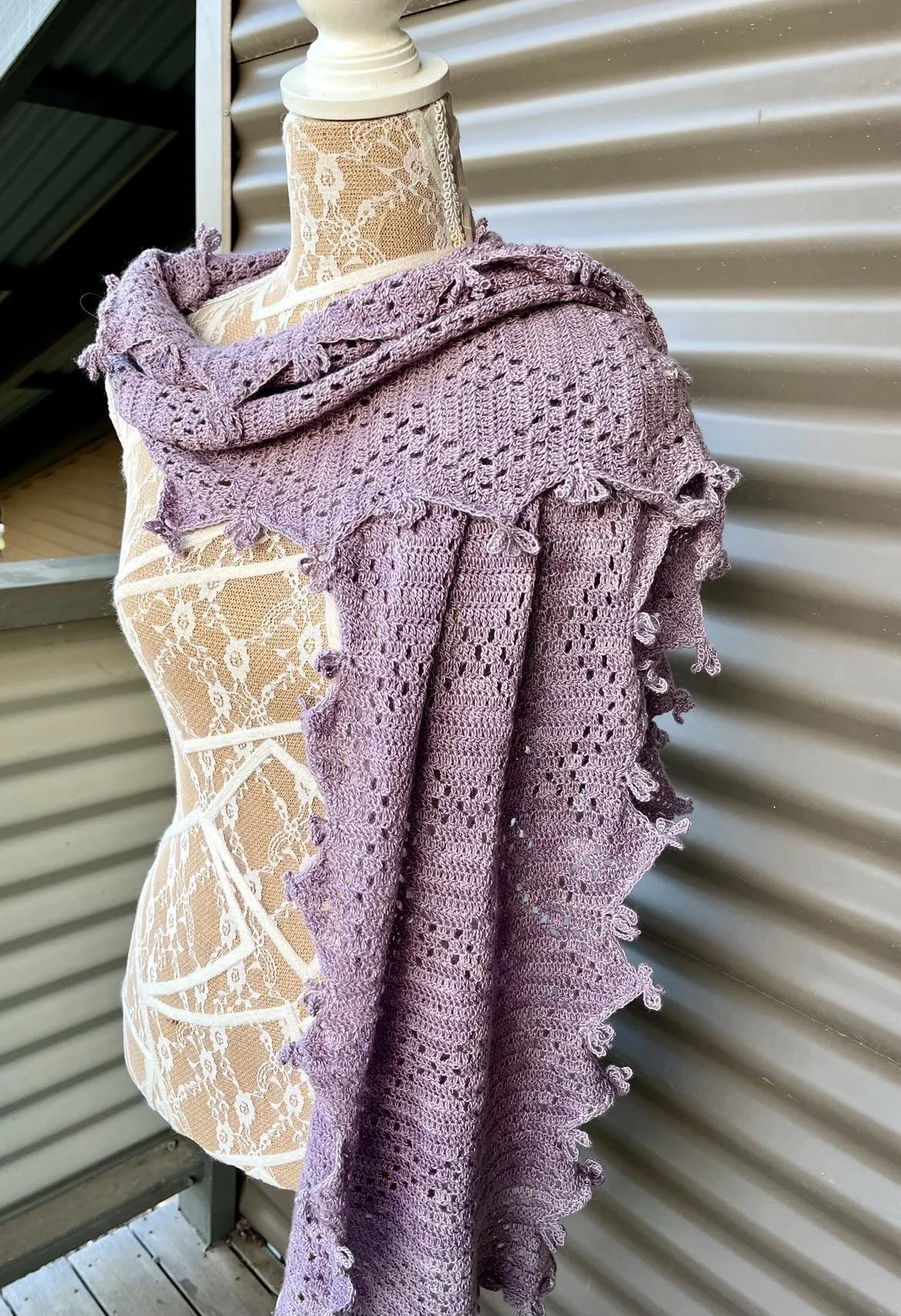
My 'Fishing for Luck' Shawl/Wrap is one of my most popular designs, incorporating added blocks to create delicate netting, from which small clover leaves hang.
At this stage in my design career, I’ve created over 180 designs, with a large portion featuring Filet Crochet.
If you haven’t tried Filet Crochet yet, grab your hook and give it a go!
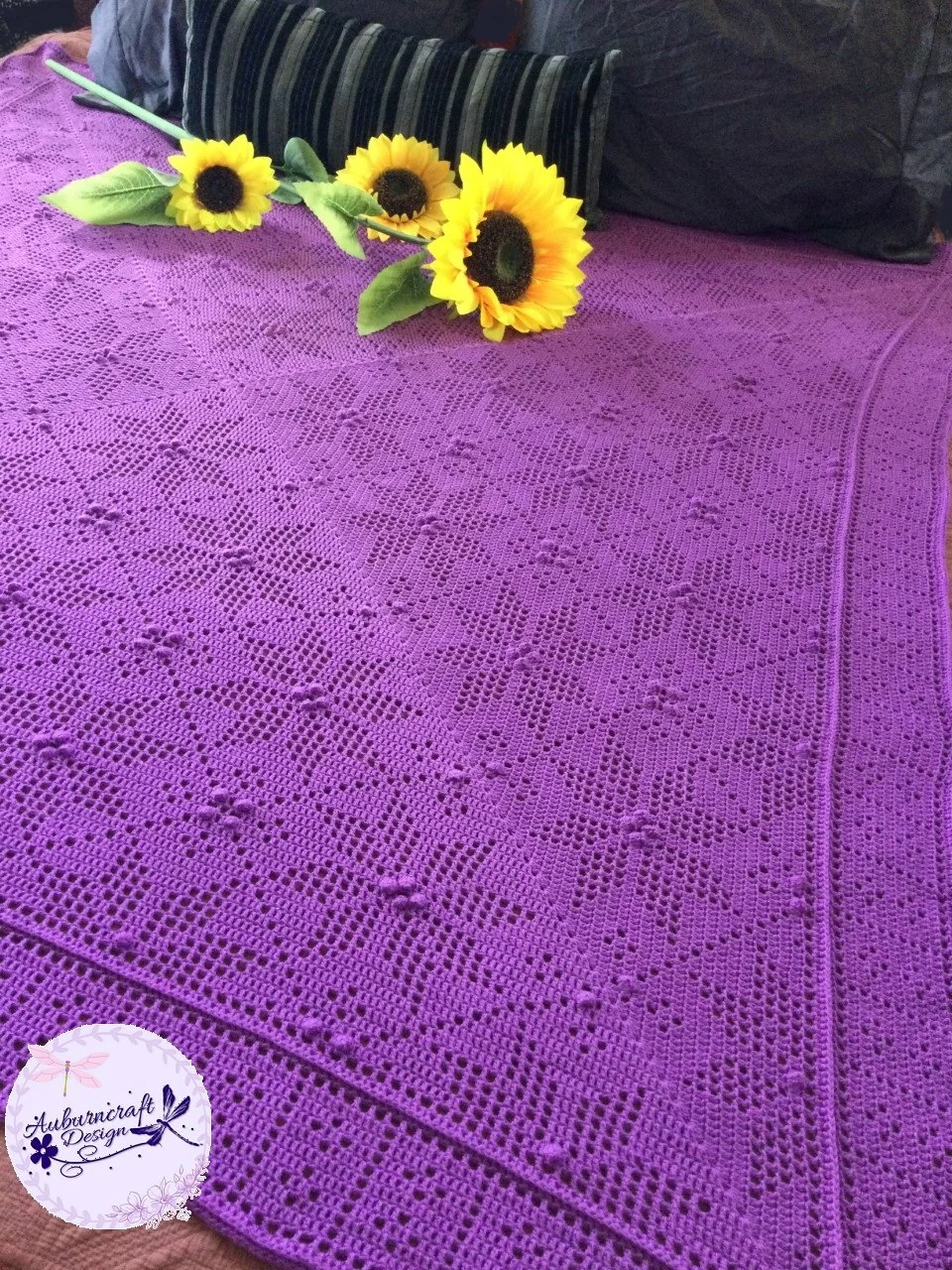
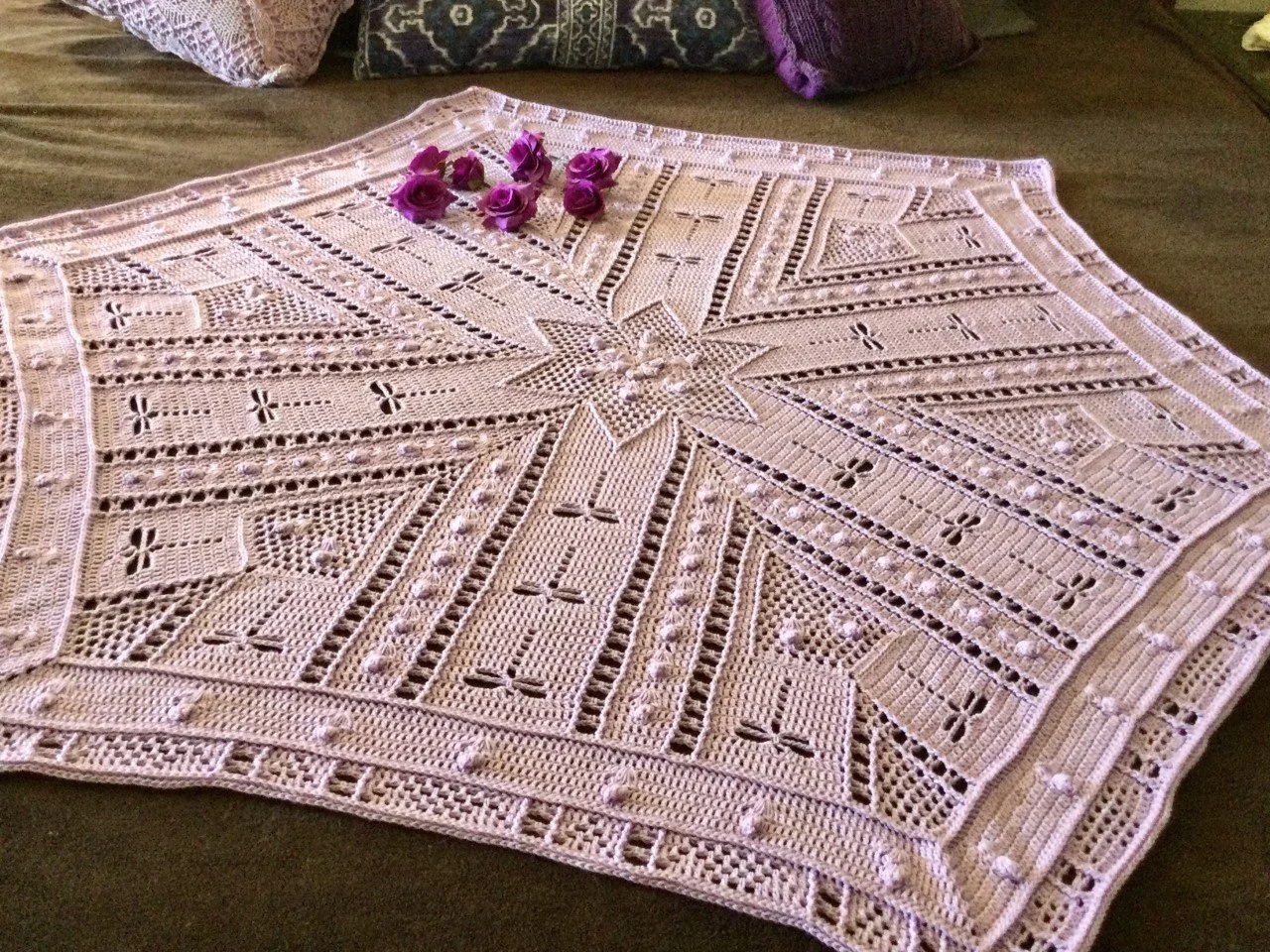
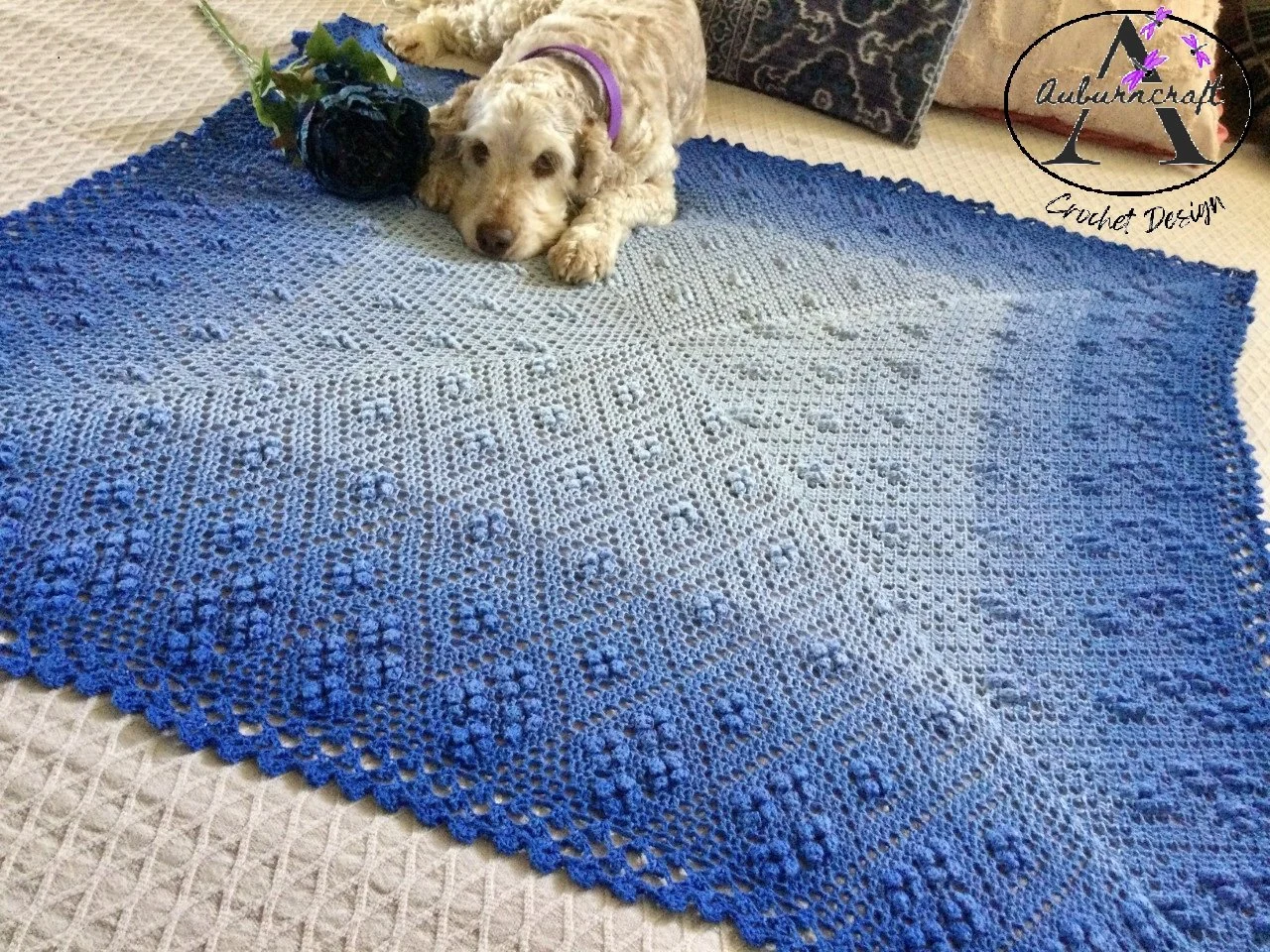
Below are just a few examples. All of these patterns are available on Ravelry and Etsy, and those using Bendigo Mill cotton can also be found on their webpage. If you find these tips helpful, consider buying me a cup of tea—the button is at the bottom of the page.
An example of more advanced techniques that can be incorporated into Filet Crochet,
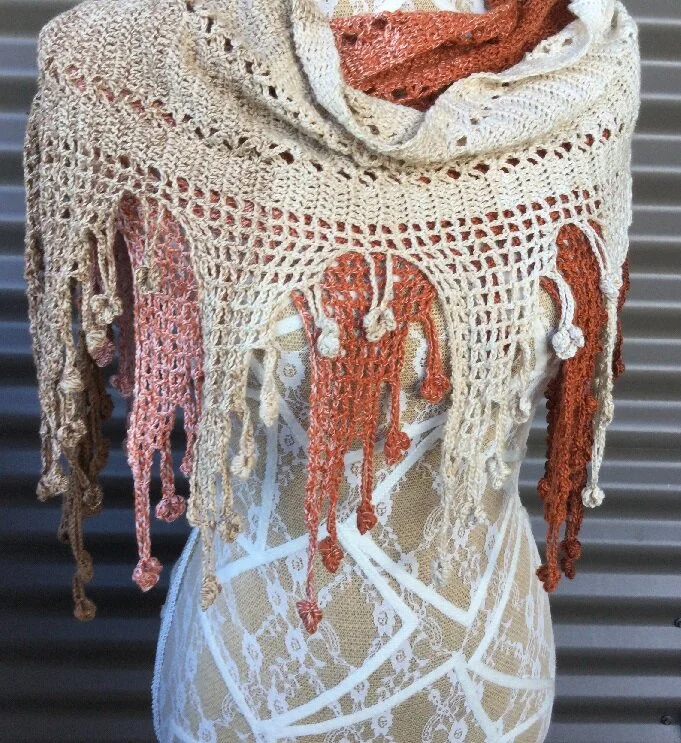
Fishing for Luck Shawl/Wrap showing increasing Filet Blocks
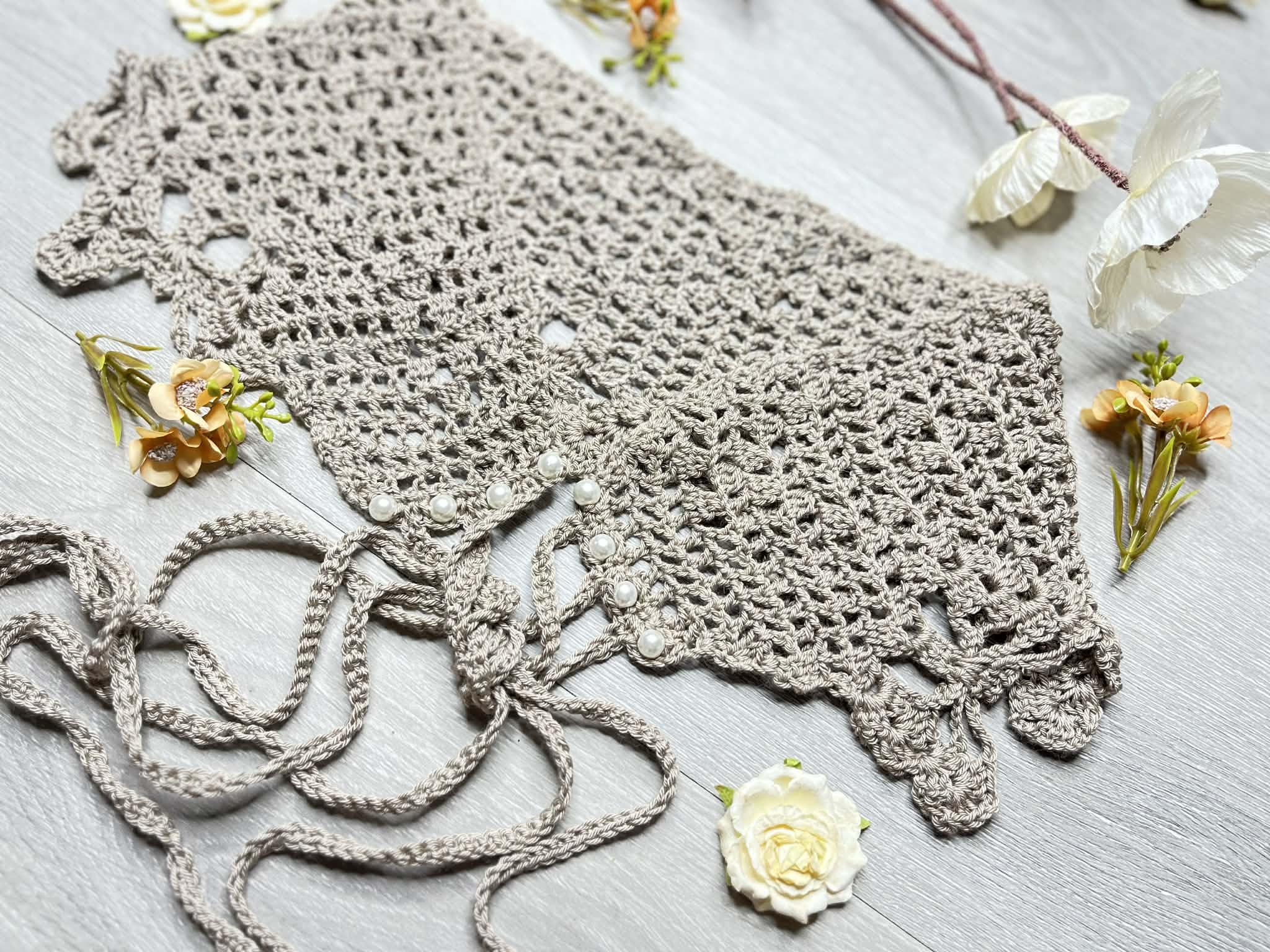
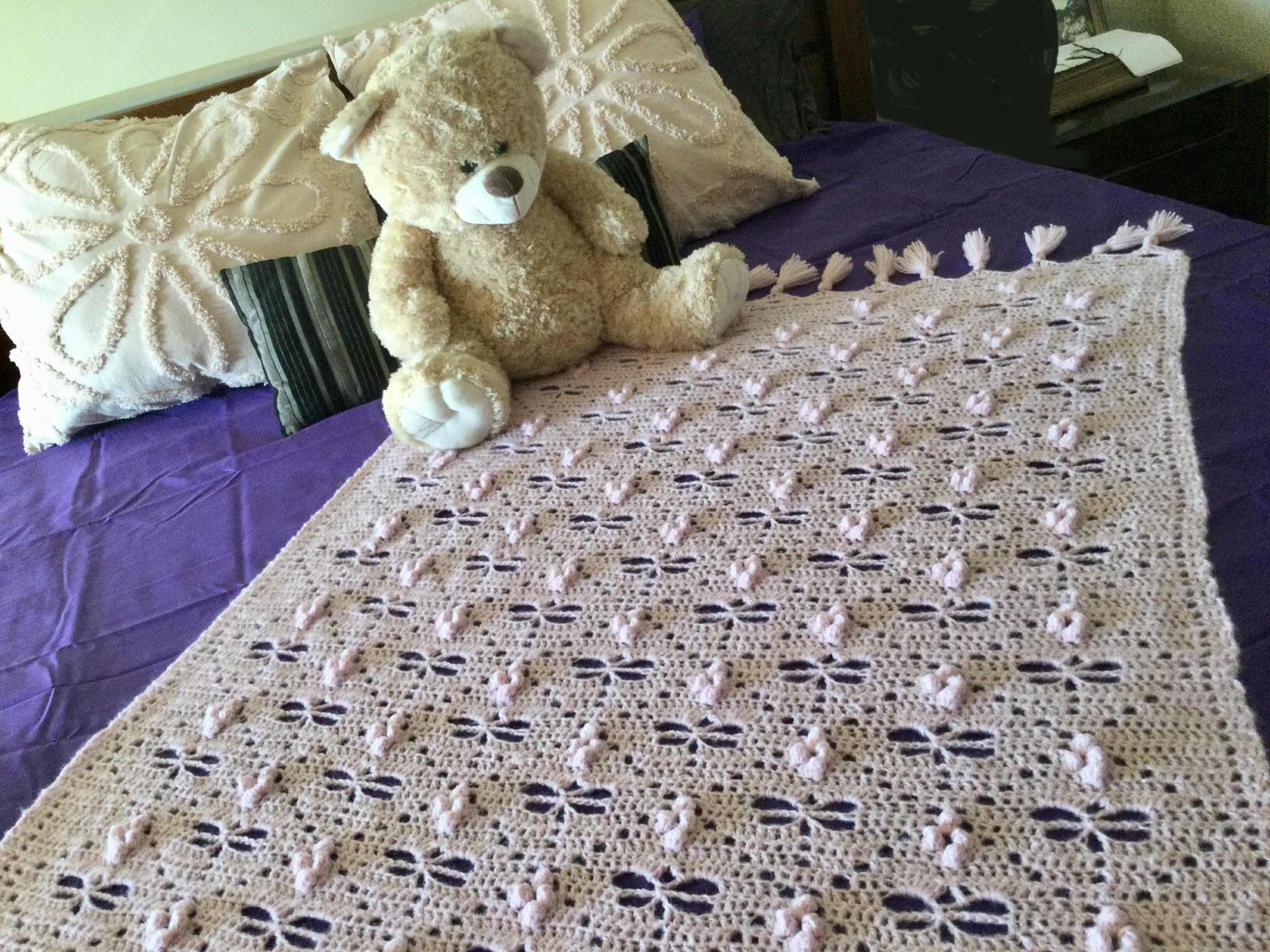
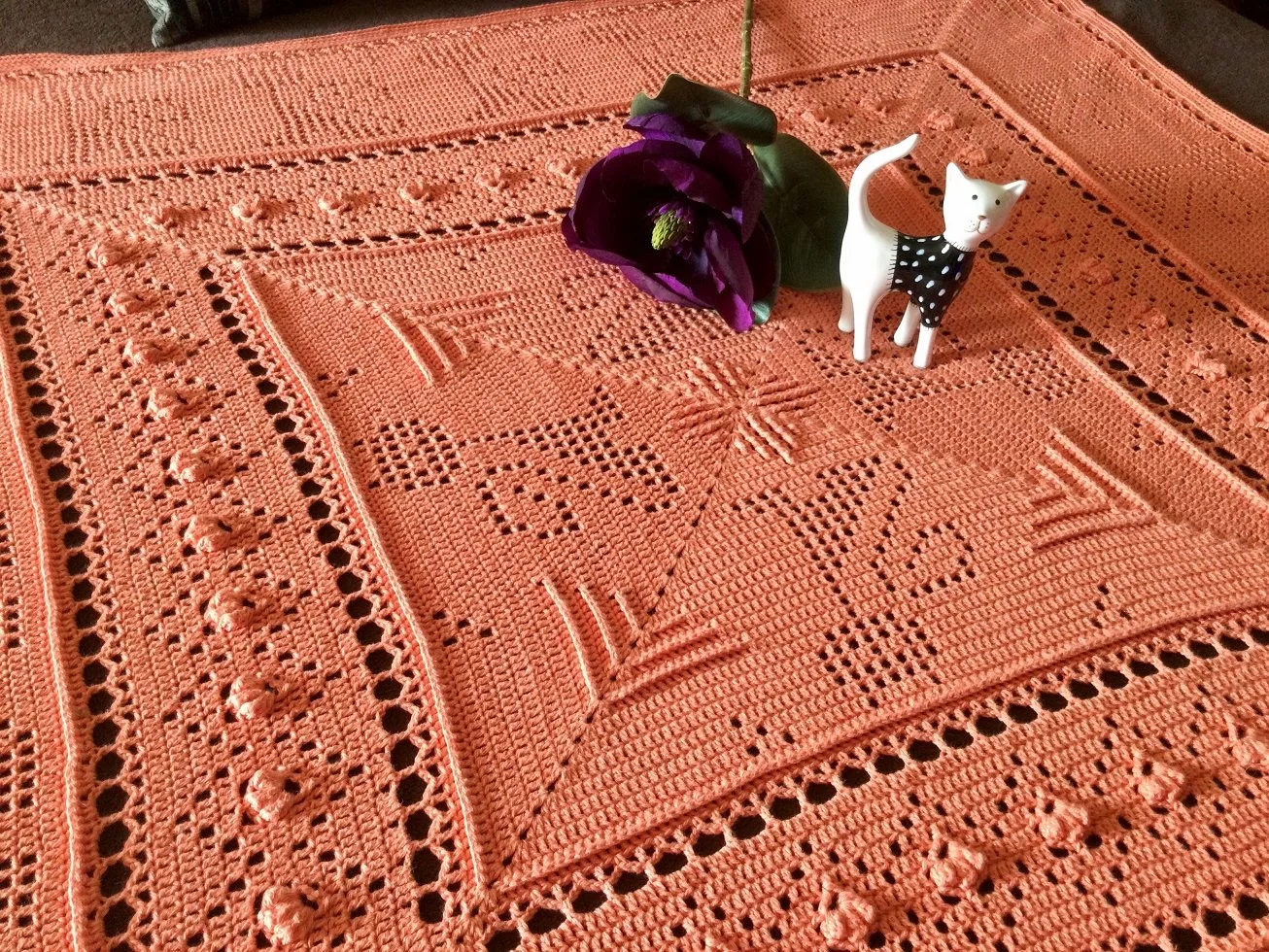
Bonnets and Bows. One day I will finish writing the pattern. I decided that the original (that I made a number of years back) needed improving on. It now sits half done, waiting for me to finish it. It shows more advanced filet squares, nestled inside basic blocks