

Why I Love Filet Crochet
(And Why You Might Too!)
If you're looking for techniques and tips, be sure to check out my post: Filet Crochet: Keeping it Neat!
What Is Filet Crochet, Anyway?
The word filet is French for "net"—or so I’m told! It gets its name from the open squares that resemble the mesh of a net. Simple, structured, and surprisingly elegant, filet crochet has a charm all its own.
Historically, filet crochet evolved from traditional lace-making techniques in Europe, particularly in France and Italy. It was often used to create delicate curtains, tablecloths, and samplers with decorative motifs—flowers, birds, and monograms were all popular. Though it may look fancy, filet is usually made with basic stitches, giving it a lovely blend of accessibility and sophistication.
But Why Choose Filet Crochet?
Others may have their own opinions, but here’s mine!
After reflecting on why so many of my designs lean toward the filet technique, I realised it comes down to a few simple reasons:
Why I Love Filet Crochet
(And Why You Might Too!)
If you're looking for techniques and tips, be sure to check out my post: Filet Crochet: Keeping it Neat!
What Is Filet Crochet, Anyway?
The word filet is French for “net”—or so I’m told! It gets its name from the open squares that resemble the mesh of a fishing net. Simple, structured, and surprisingly elegant, filet crochet has a charm all its own.
Historically, filet crochet evolved from traditional lace-making techniques in Europe, particularly in France and Italy. It was often used to create delicate curtains, tablecloths, and decorative samplers. Popular motifs included flowers, birds, and monograms. Though it may look intricate, filet crochet is usually made using very basic stitches, which gives it a wonderful balance of accessibility and sophistication.
Filet crochet is also a technique that works beautifully for creating pictures and motifs. By arranging open and filled blocks in a grid, you can form shapes, patterns, and even detailed images.
But Why Choose Filet Crochet?
Others may have their own opinions, but here’s mine.
After reflecting on why so many of my designs lean toward the filet technique, I realised it comes down to a few simple reasons.
1. I’m not overly keen on constantly swapping yarn colours.
Let’s face it—changing colours every few stitches can get a bit fiddly.
2. While sewing in lots of ends doesn’t completely bother me…
…it’s still not my favourite way to spend my crafting time. Less ends = more joy!
3. Filet crochet is incredibly versatile.
You can create something simple and sweet, or craft a masterpiece that spans a wall. Often, even large and intricate pieces use only basic stitches—but it’s the arrangement of open and filled blocks that creates the magic.
4. It can be wonderfully technical—if you want it to be.
Working with detailed images or complex motifs means every open block matters. A single square in the wrong spot can throw off the whole design. That challenge? I absolutely love it.
5. It’s rhythmic and relaxing.
Once you settle into the pattern of open and solid blocks, the work becomes wonderfully meditative. It’s the sort of crochet that lets you relax while still keeping your mind gently engaged.
6. Most of all, I simply enjoy it.
And that, I believe, is what it’s really all about. You need to enjoy what you’re making. For me, filet crochet just feels right.
Testing the Boundaries of Filet Crochet
Filet crochet is often thought of as neat rows of boxes worked in a fairly regimented way. But I rather enjoy testing those boundaries.
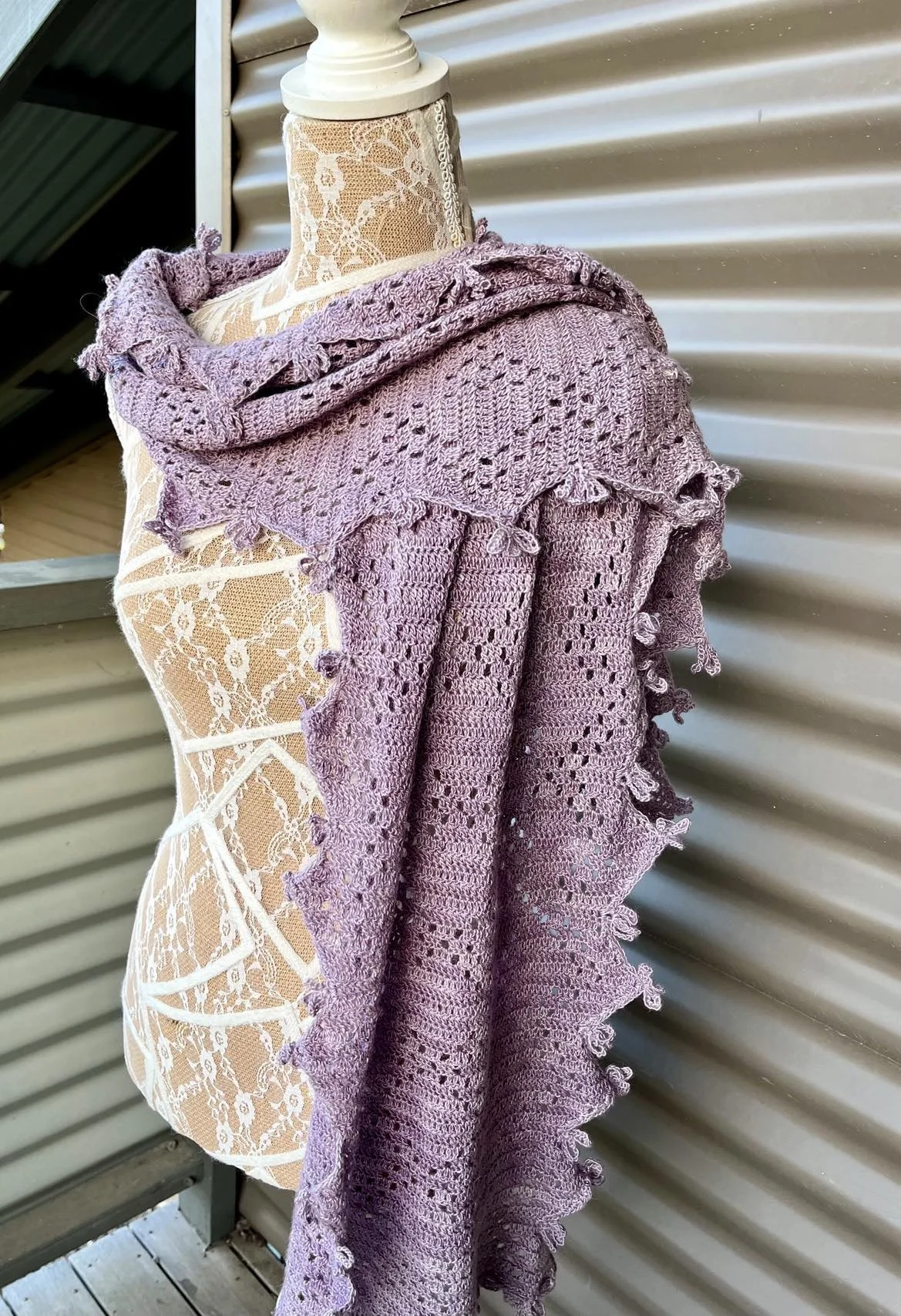
One of my recent designs, A Moment of Butterflies Scarf, does just that. While designing the filet pattern for the scarf itself, I wanted the filled blocks within the design to really stand out. After several attempts, the pattern still wasn’t giving me the effect I was looking for—the solid blocks simply weren’t popping the way I wanted them to.
So I experimented a little.
Instead of using the traditional solid filet block, I replaced it with a Dc3tog (US). That small change added a little texture and created the visual pop I was after within the scarf pattern.
The butterflies themselves hang from the edge of the scarf, but the textured blocks within the filet design help give the overall piece a bit more depth and interest.
It does require just a little extra concentration while crocheting, but that small adjustment helped bring the design to life and satisfied my love of creating something a little different.
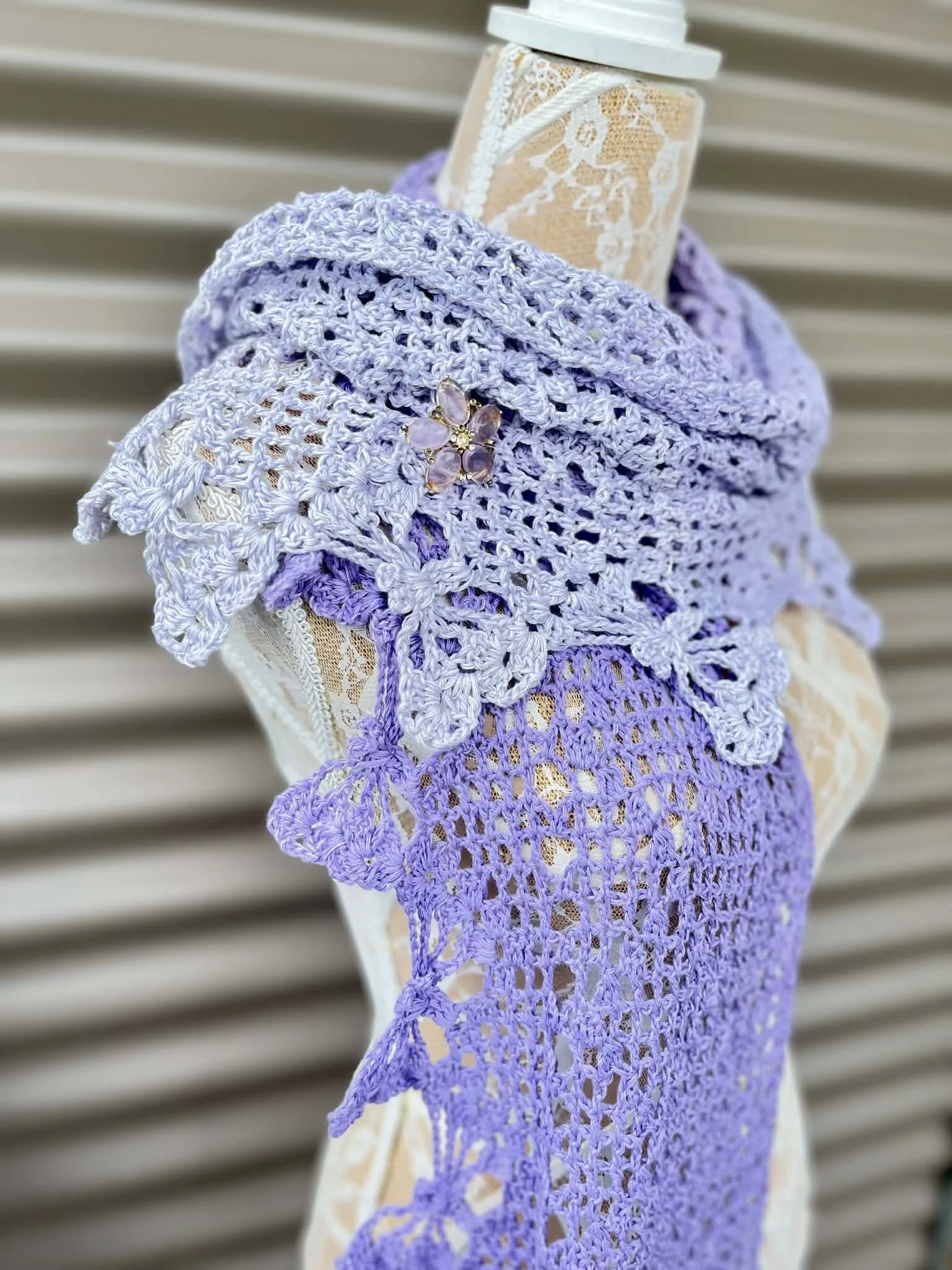
A Moment of Butterflies
If you're curious to see how it worked out, you can take a look at A Moment of Butterflies Scarf here.
My Favourite Tools & Yarn for Filet Crochet
When working in filet crochet, I typically use a 3.5 mm hook and either 4 ply (fingering weight) or 8 ply (DK weight) yarn, depending on the project.
I especially enjoy working with cotton. It’s crisp, has great stitch definition, and holds its shape beautifully—perfect for showing off those clean filet blocks.
One of my absolute favourites is cotton from Bendigo Woollen Mills. It’s smooth, strong, and ideal for projects where you want the stitches to really stand out. If you haven’t tried it yet, I highly recommend giving it a go.
Of course, I dabble in other crochet styles too—but I always find myself coming back to filet. There’s something so satisfying, so meditative, and so beautiful about working in this technique.
Do you enjoy filet crochet too? Or are you tempted to try it for the first time? I’d love to hear your thoughts in the comments!
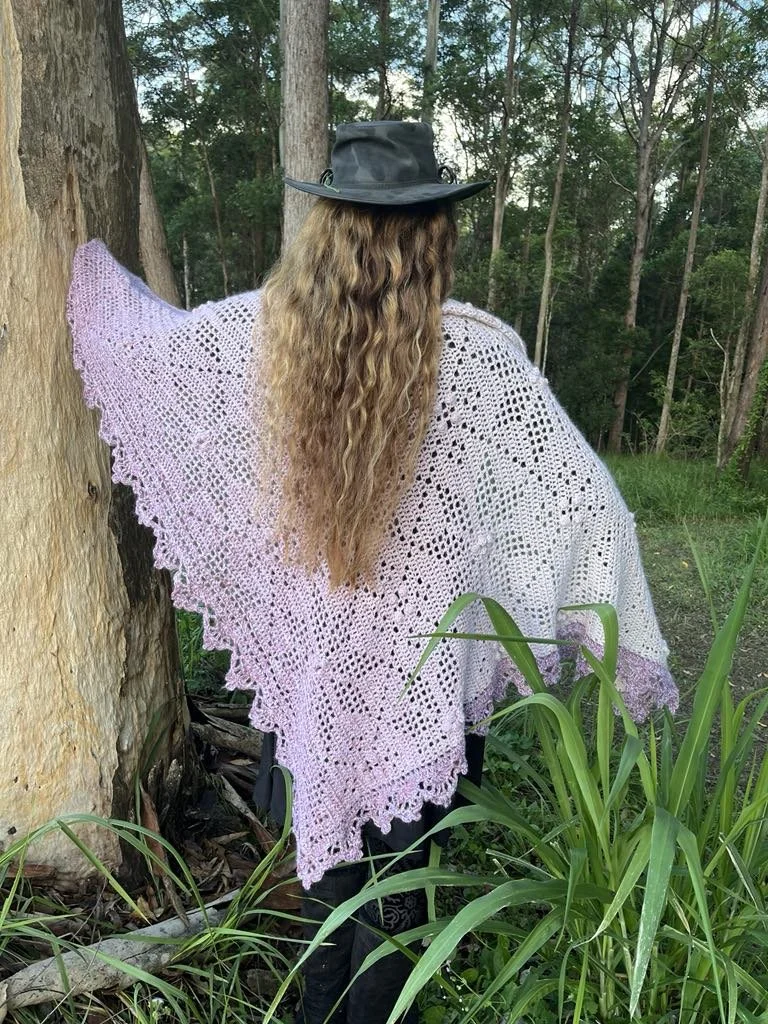
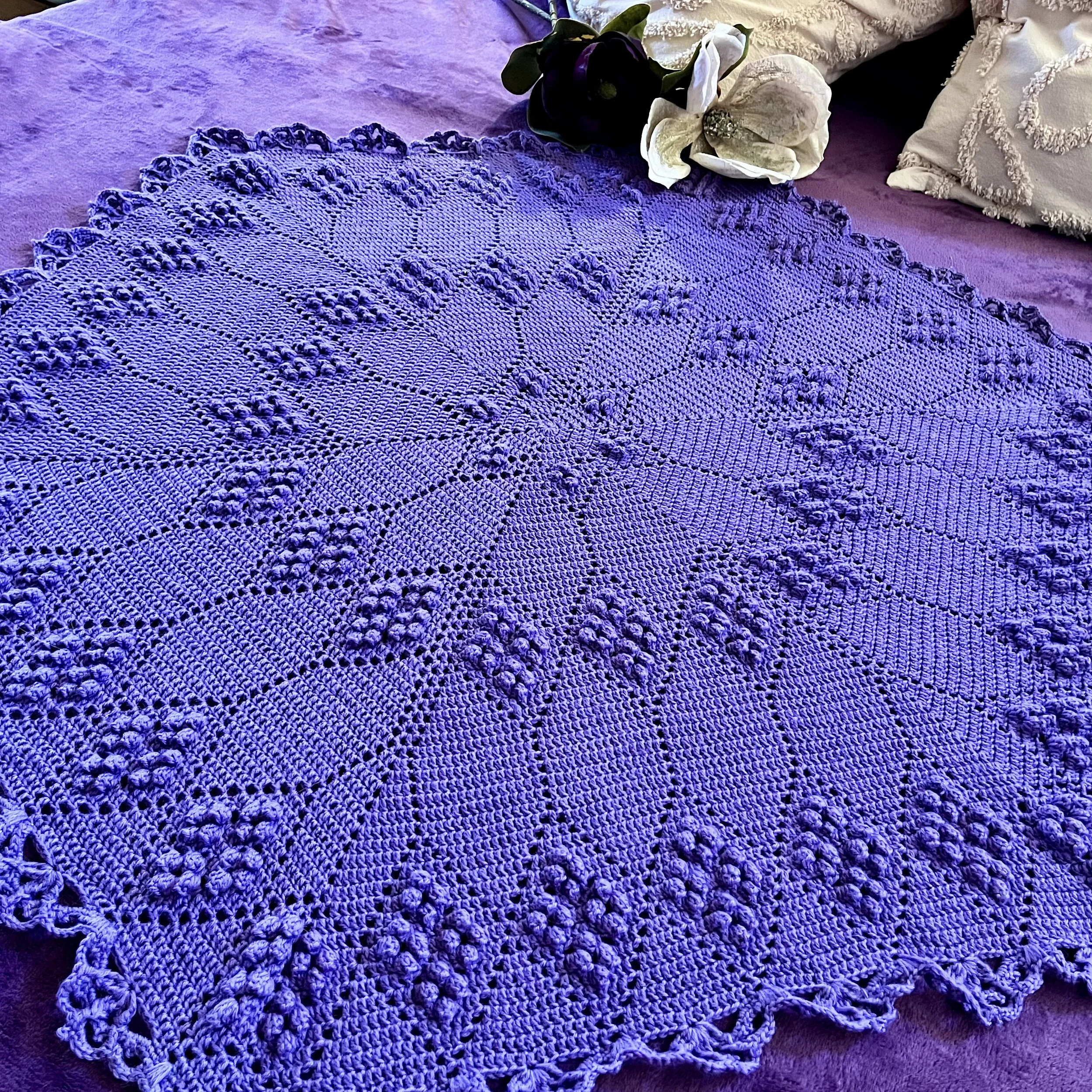
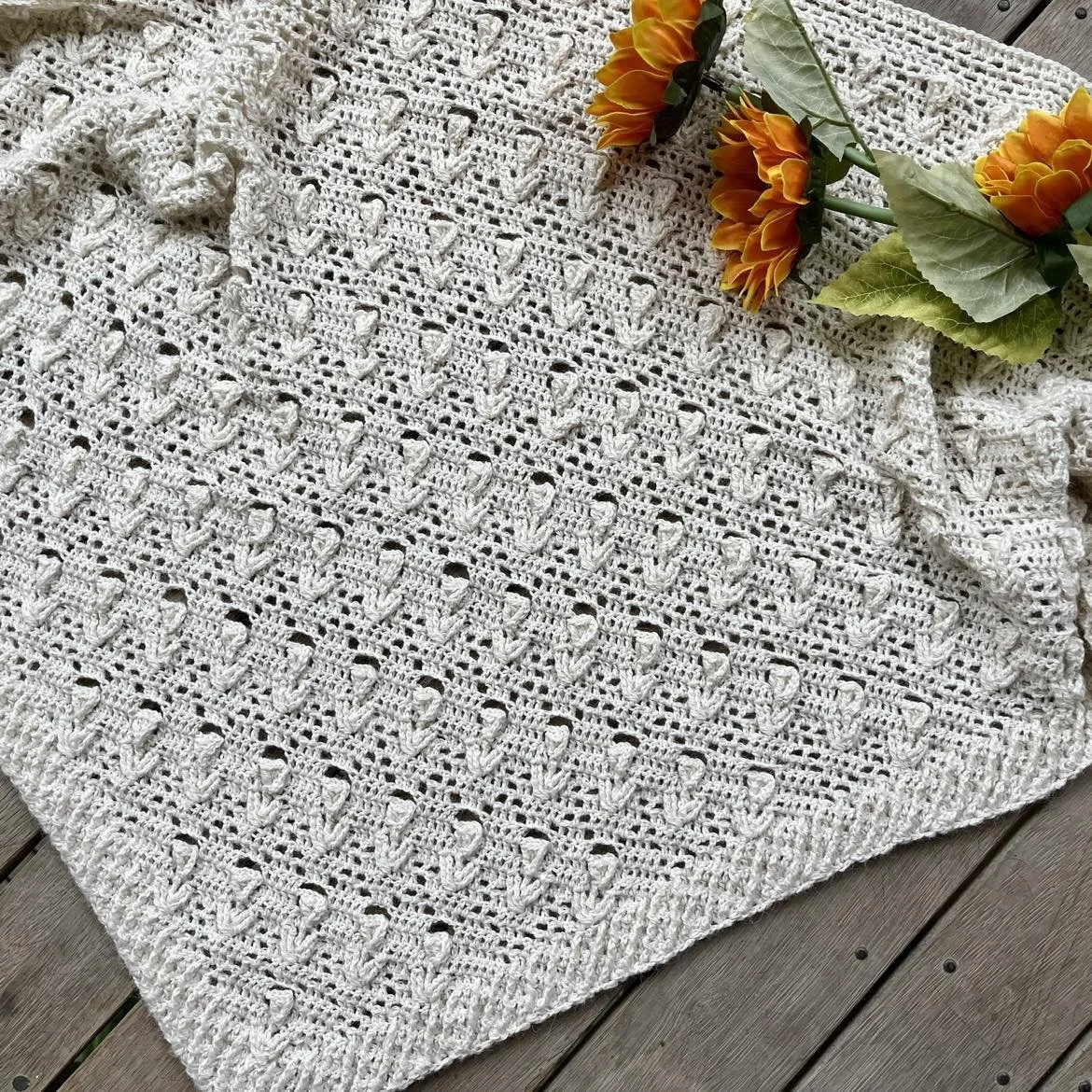
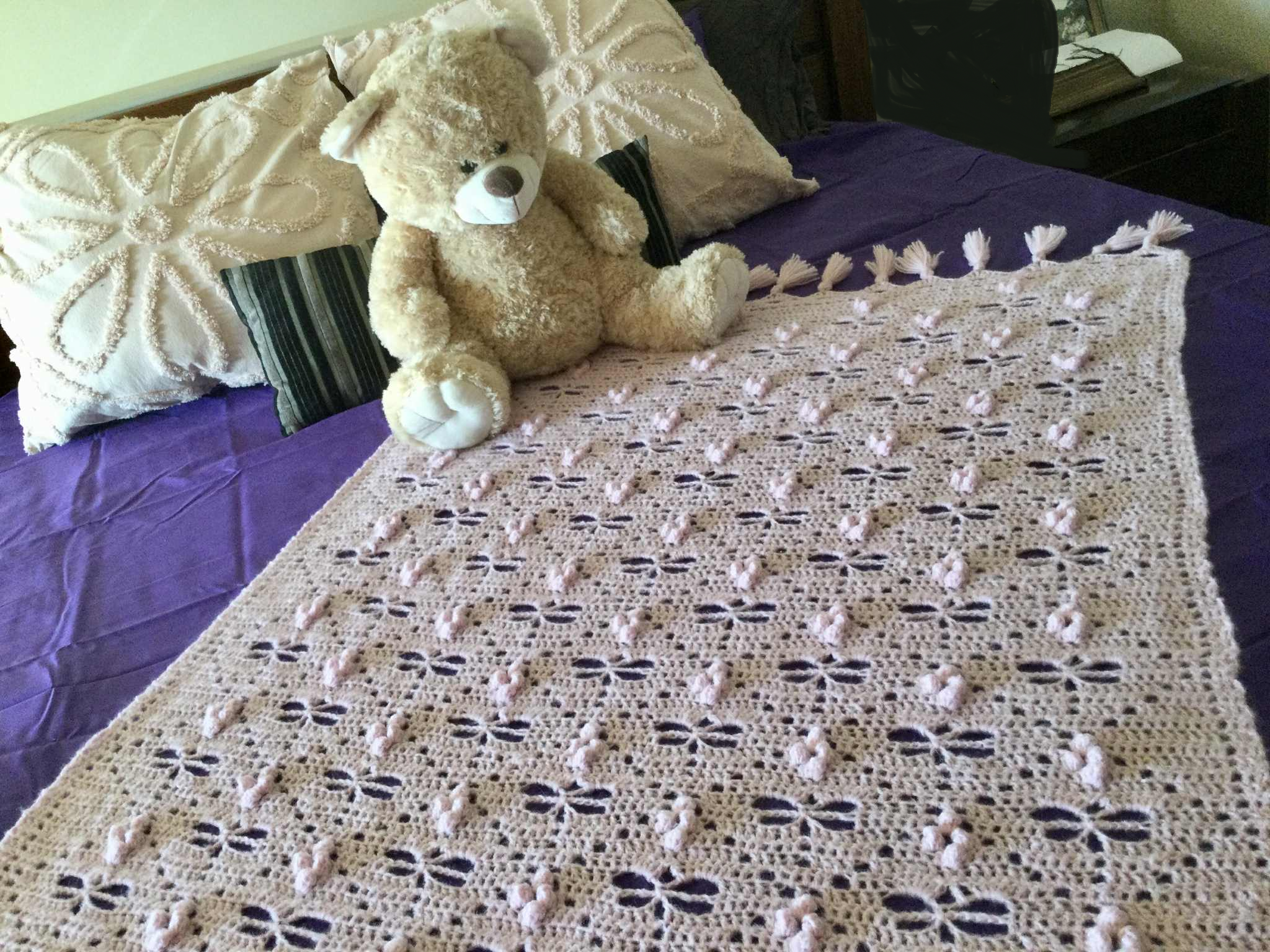
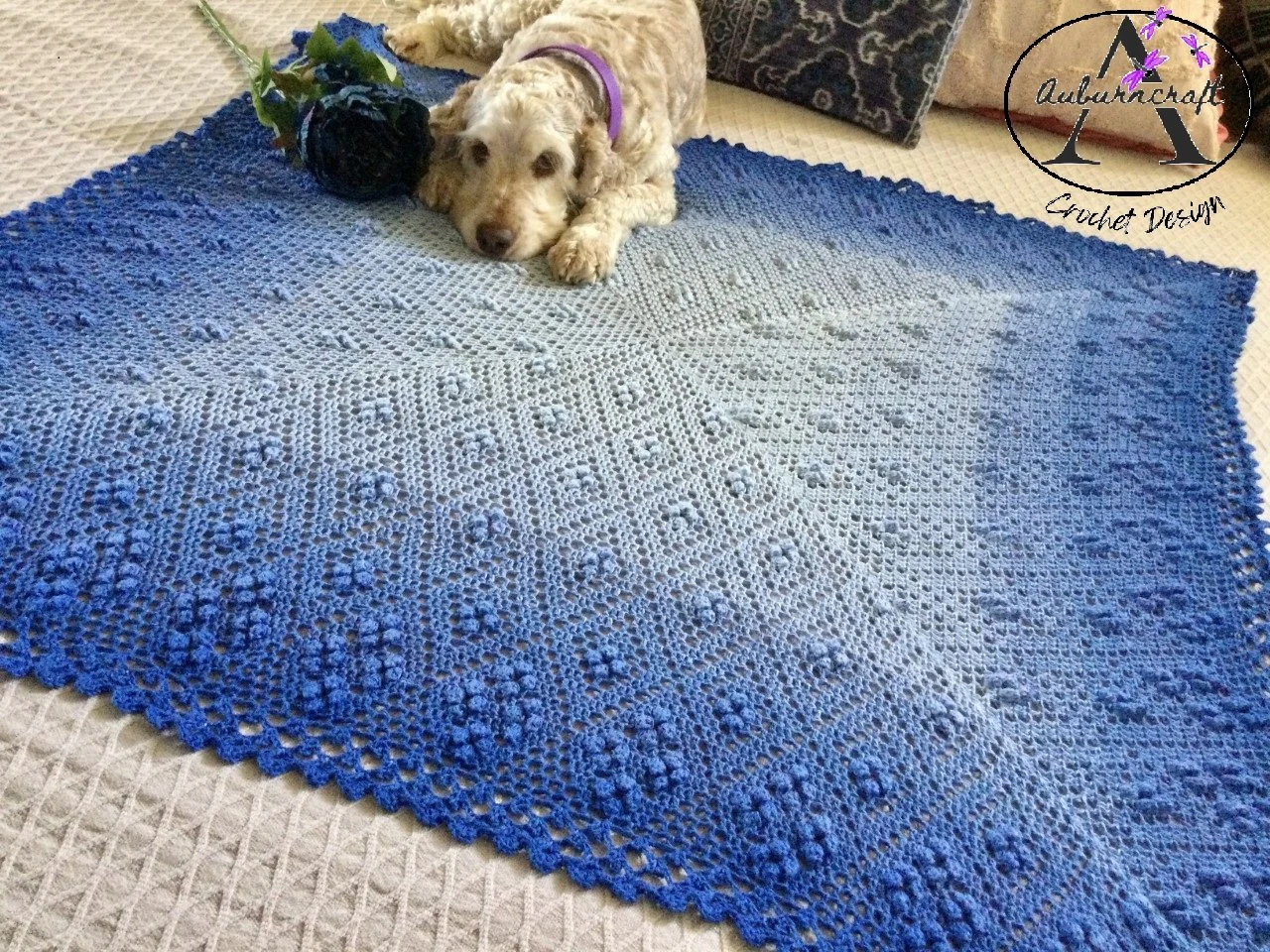
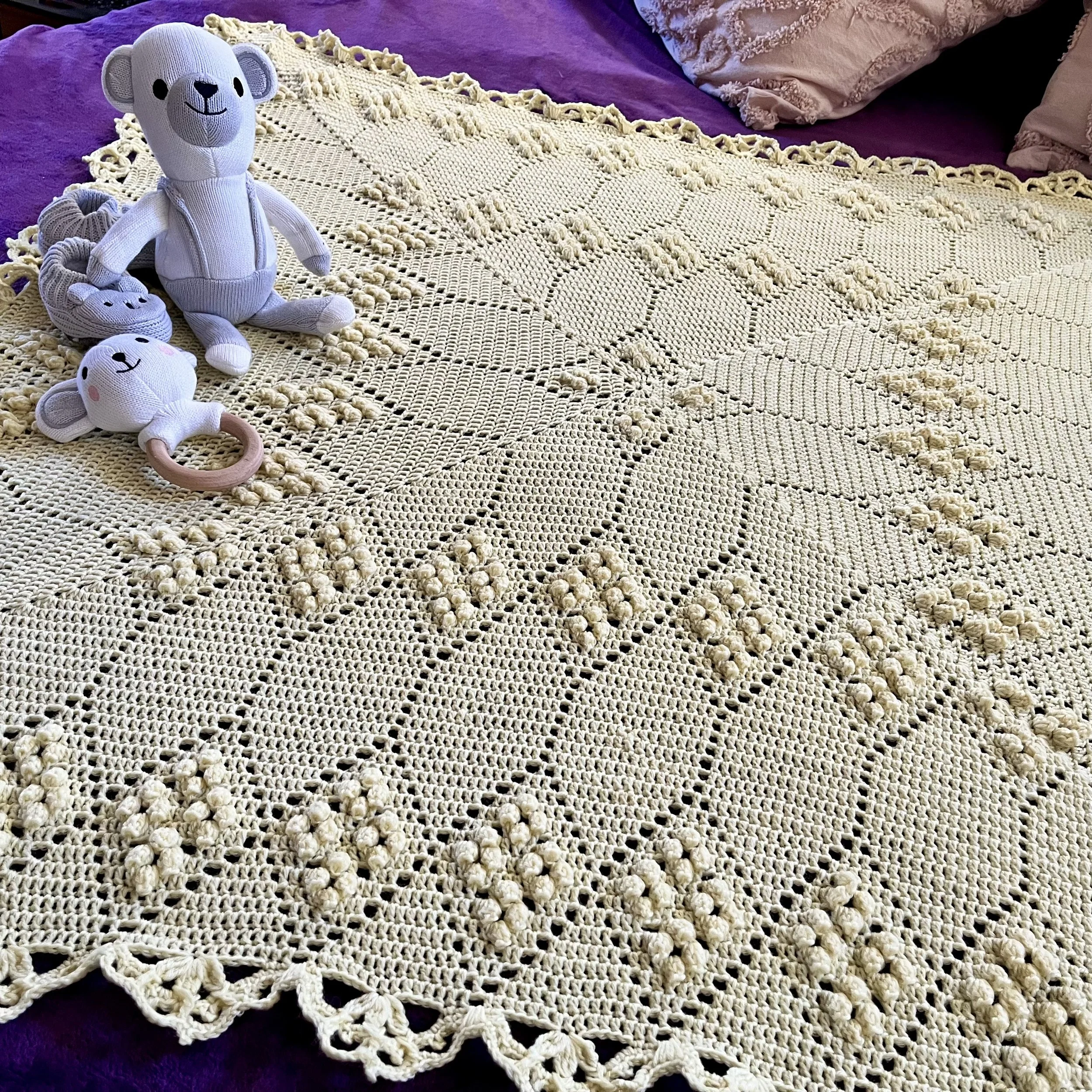
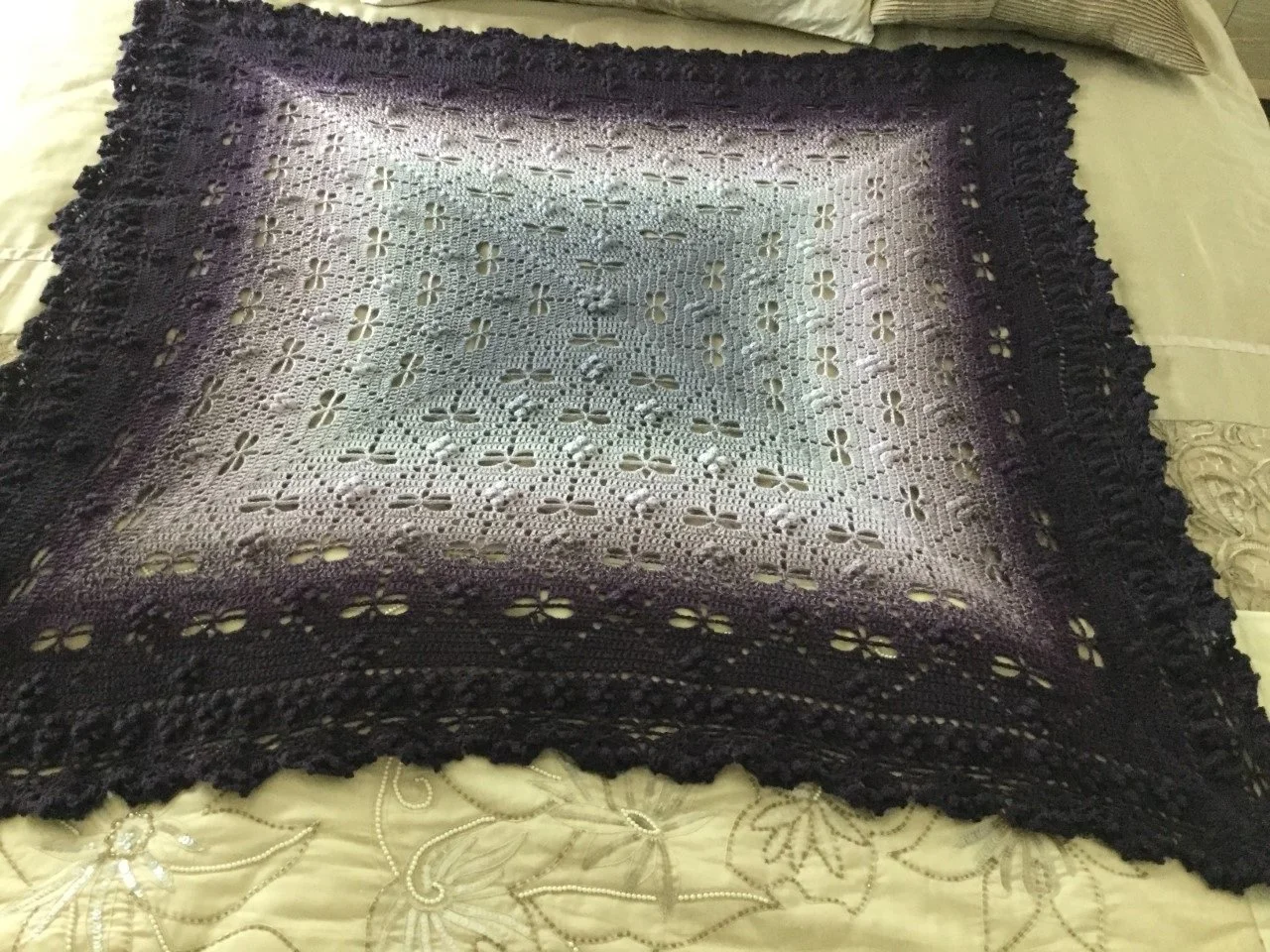
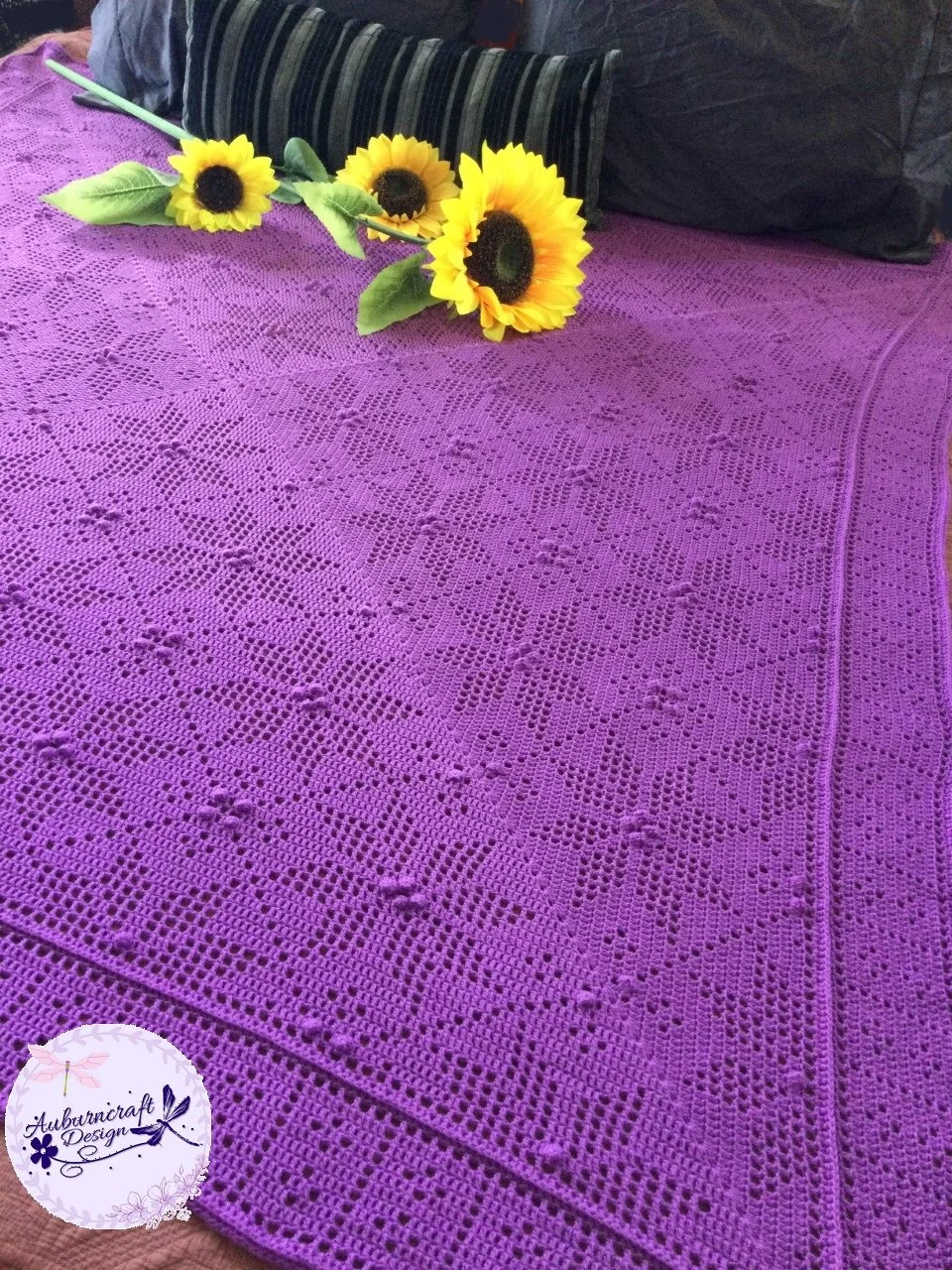
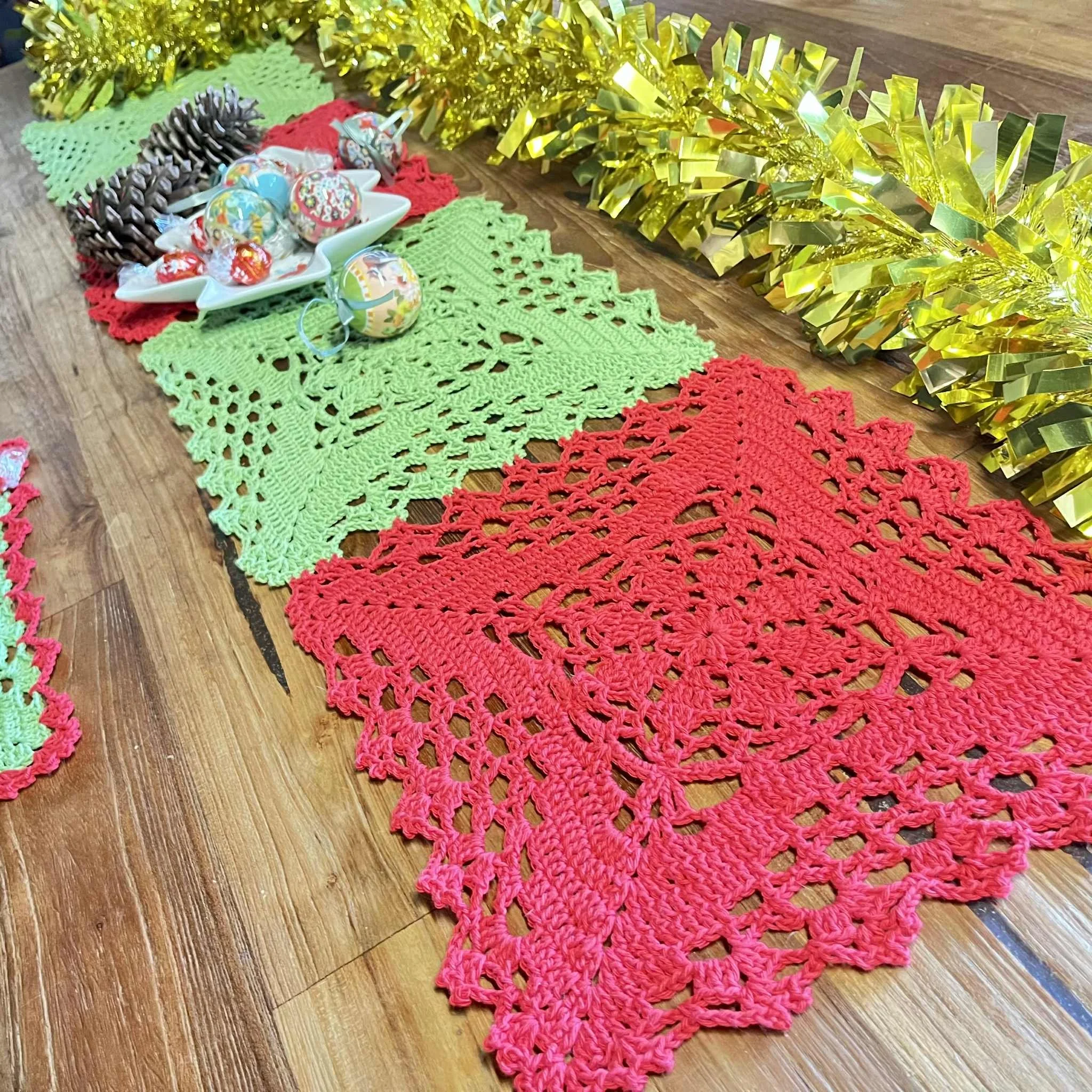
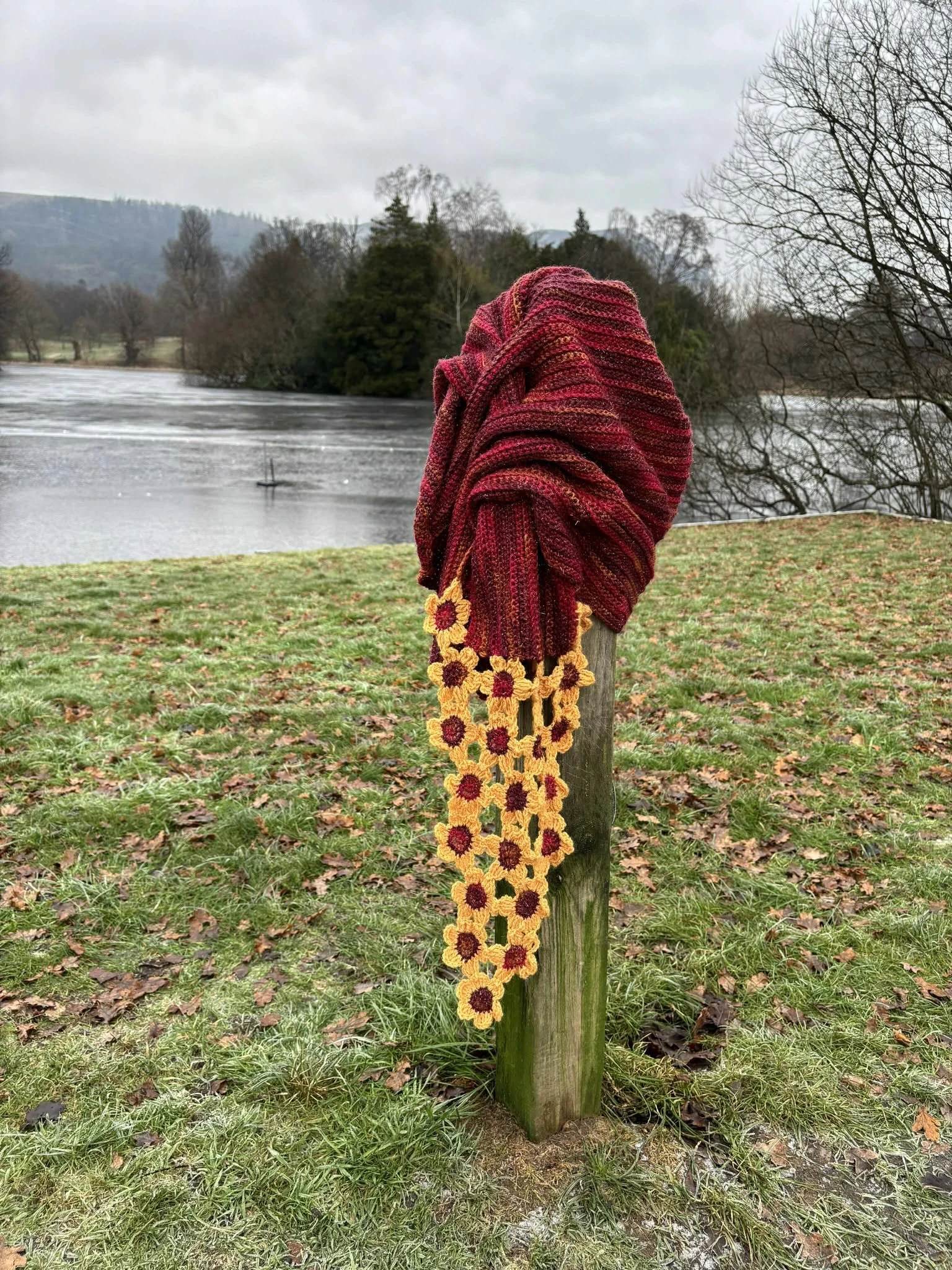
Check out some of my Filet Designs. Patterns are available for all of them on Ravelry and Etsy.