


Linked crochet isn't simply a substitute for ordinary double crochet. It's another tool in the designer's toolbox, and one that can be surprisingly versatile.
Depending on the stitch height and the way it's used, linked crochet can be useful for:
Creating a denser fabric. Particularly useful when you want fewer gaps between stitches.
Adding texture. Those little connecting bars create their own distinctive appearance across the rows.
Keeping the height. You can work a taller stitch without automatically getting the more open fabric associated with it.
Reducing the number of stitches. Compared with using a shorter stitch to achieve a similar fabric height, linked double crochet can save you from working quite so many stitches. Your wrists may send a small thank-you note.
Giving a design a different look. Sometimes it's not about filling gaps at all. It's about the texture you want to create.
Of course, linked crochet won't suit every project. Sometimes those gaps are exactly what you want. But when you need a denser finish, it's well worth considering.
Linked stitches in my own designs
Over the years, I've found myself returning to linked stitches for different reasons. They're not confined to one type of project, and these designs demonstrate just how differently they can be used.

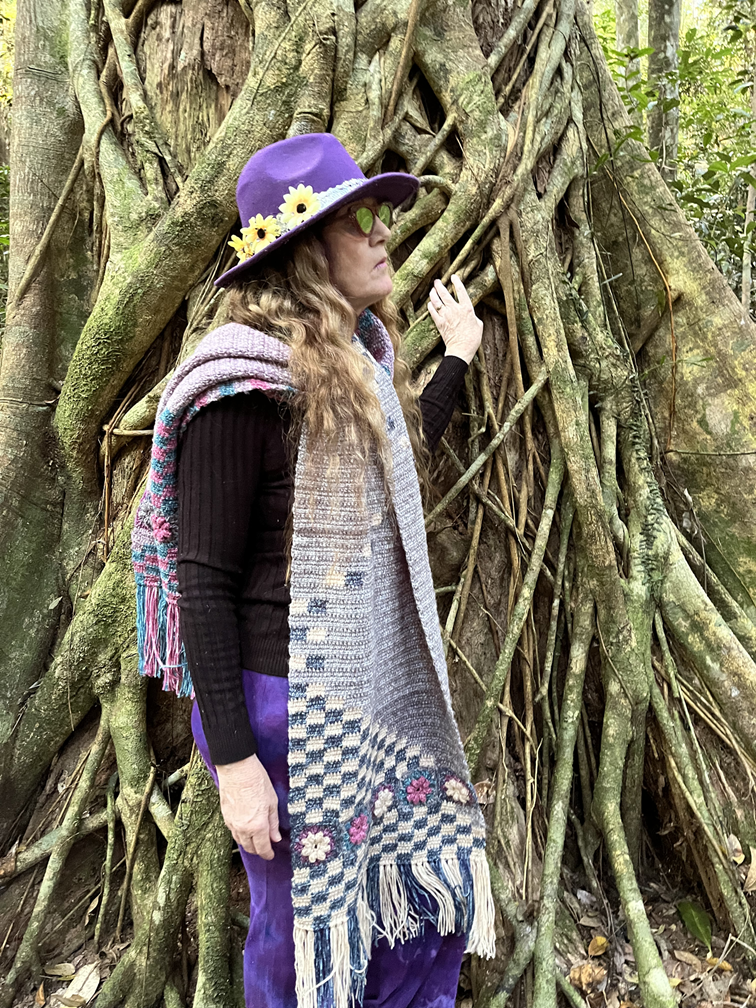
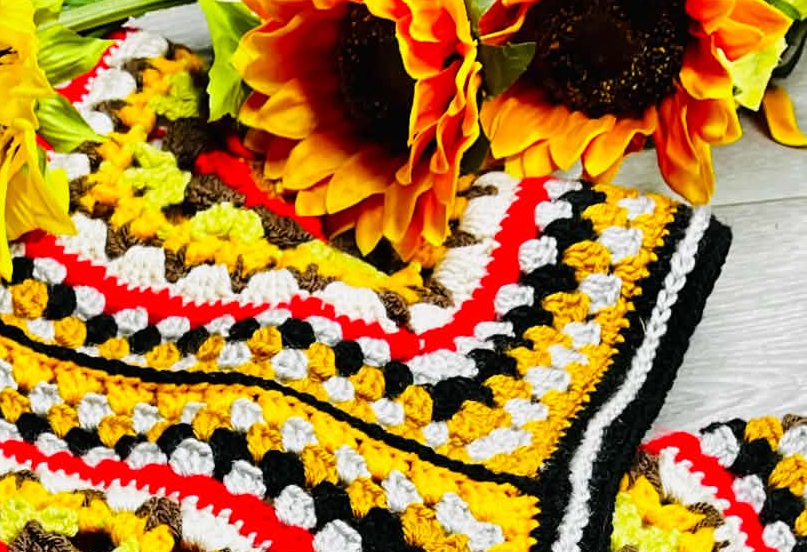
Checkerboard Symphony Scarf
This design uses linked stitches to create a denser fabric while working with the checkerboard effect. The linked stitches help give the scarf its particular look, rather than relying on ordinary double crochet and the spaces that come with it.
Stepping Stones Scarf
Here, linked double crochet (US) helps create a denser appearance that works beautifully with the design. It's another example of how a simple change in the way a stitch is constructed can influence the finished fabric.
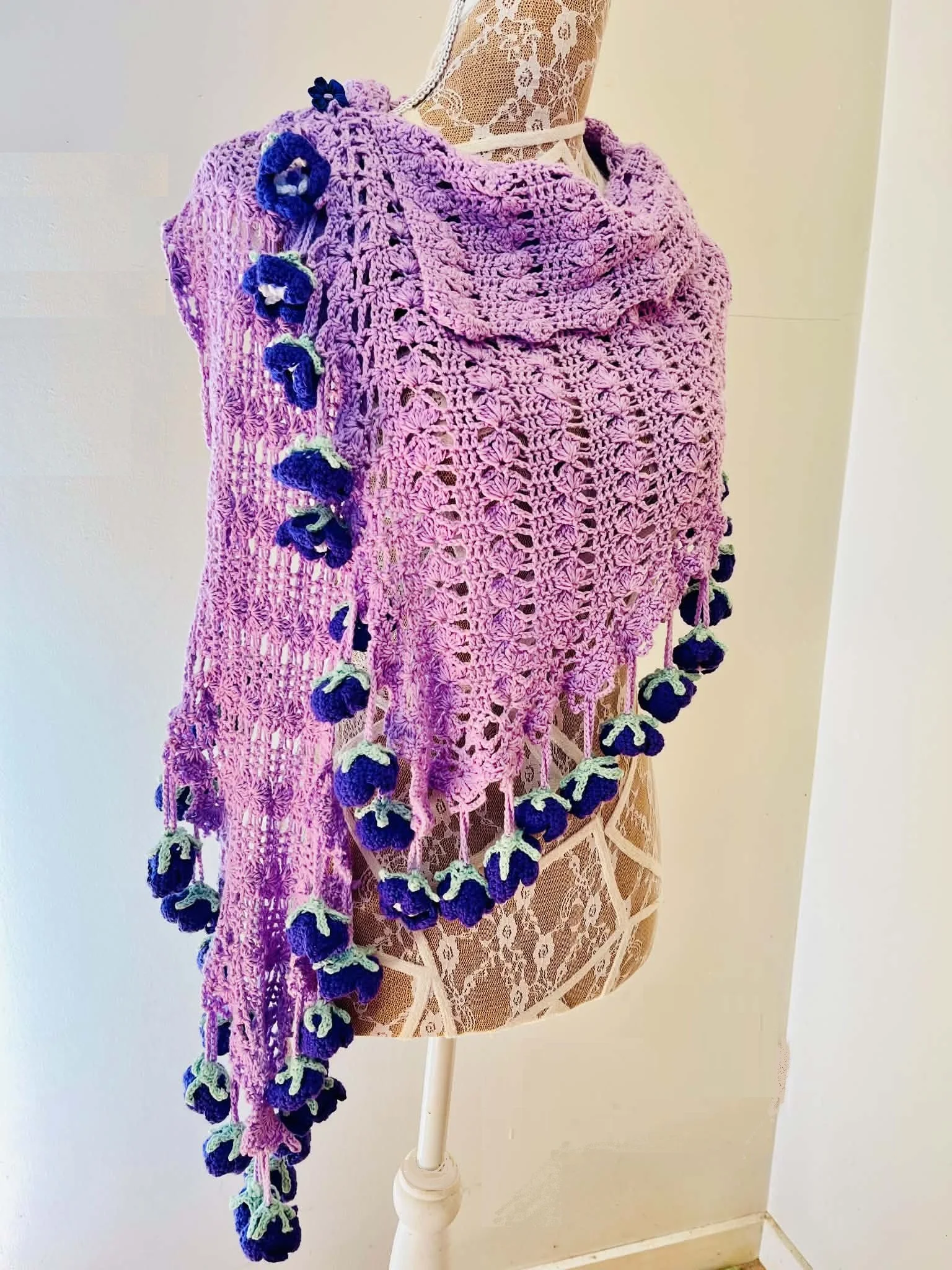
Winter Enchantress
This design uses Linked Half Double Crochet (US), showing that linked crochet isn't limited to double crochet. The linked half double crochet provides a different stitch height and texture while helping to create a denser fabric.
These are just three examples of how linked stitches can be used in actual designs. They're not merely a clever trick for closing up gaps; they can be part of the overall design itself.
So, how do you make a Linked Double Crochet?
The concept is really quite simple. Instead of working each stitch independently, you connect it to the previous stitch by working into the little bar across its middle.
Let's start at the beginning of the row.
Creating the first linked stitch

Step 1: Chain 3. This counts as your first stitch.
Step 2: Insert your hook into the second chain from the hook and draw up a loop. This creates the connection for your first linked stitch.
Step 3: Insert your hook into the next stitch and draw up a loop.
Step 4: Yarn over and pull through 2 loops on your hook.
Step 5: Yarn over and pull through the remaining 2 loops.
That's your first linked double crochet completed!
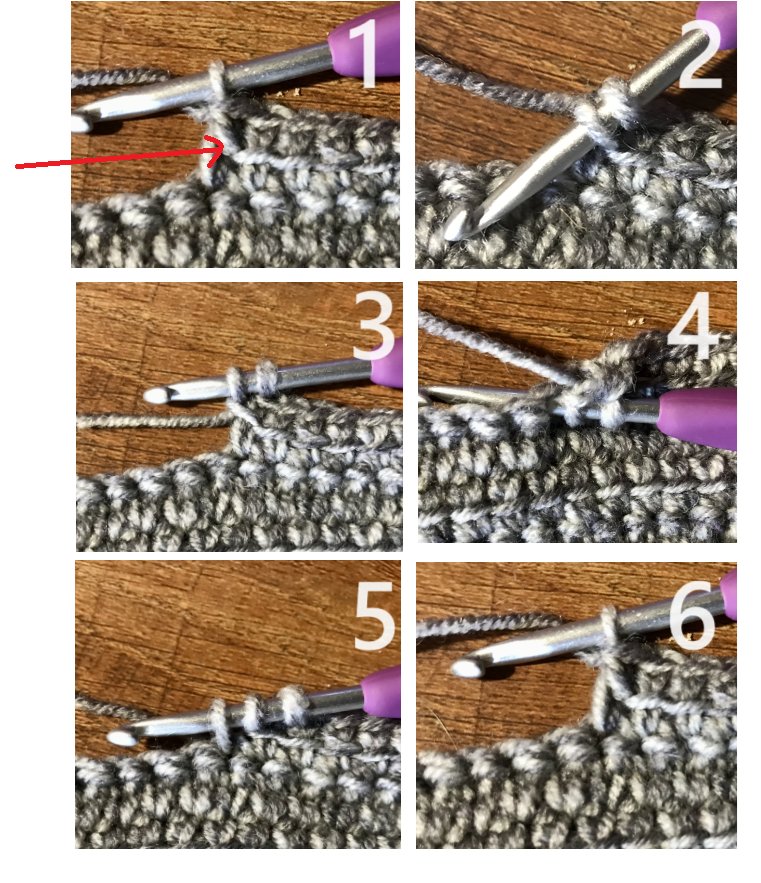
Working the remaining linked stitches
Step 1: Identify the horizontal bar across the middle of the previous double crochet. In the photograph, this is indicated by the red line.
Step 2: Insert your hook down through this bar and draw up a loop.
Step 3: Insert your hook into the next stitch and draw up a loop.
Step 4: Yarn over and pull through 2 loops.
Step 5: Yarn over and pull through the remaining 2 loops.
Step 6: Repeat.
And there you have it! Your next Linked Double Crochet (US).
Continue working in the same way across the row, connecting each stitch to the previous one.
Where can you use linked crochet?
That's the fun part. You don't have to restrict yourself to scarves or blankets.
Linked stitches can be useful for garments, bags, accessories, washcloths and plenty of other projects where you want a denser fabric. You can work them flat or in the round, and the little bars that form across the rows give the fabric its own distinctive character.
You can also experiment with different linked stitch heights. Linked Half Double Crochet (US), for example, gives you a shorter stitch than Linked Double Crochet (US), with its own look and texture.
As with any stitch, the finished fabric will depend on your yarn, hook size, tension and the way you combine it with other stitches. A little swatching is always worthwhile before committing yourself to several hundred rows.
Ask me how I know.
Give it a go!
If you've never tried linked crochet, grab some yarn and give it a whirl. It may take a little practice to get comfortable finding the right bar, but once your hands get used to the movement, it becomes much easier.
And the next time you're looking at a project thinking, "I'd love that stitch height, but I really don't want all those gaps," you'll have another option to consider.
Because sometimes the answer isn't to change your yarn, use a smaller hook or resign yourself to a thousand rows of single crochet.
Sometimes, all you need to do is link a few stitches together.
Happy crocheting!
Auburncraft Crochet Design