



Are you a glass half empty or half full type of person? I am a bit on the half empty side at times, but today I choose to see the glass as half full!
To Cut or Not to Cut!
On my hook right now, yep, this very minute, is a blanket design. I'm closing in on the final stages of it and looking forward to getting it out to my testers.
At this point, I've used almost four full 200g balls of Bendigo Woollen Mills DK cotton. Each ball contains approximately 485 metres of yarn, which means I've worked my way through almost 1,940 metres.
I have around 150 metres left on the fourth ball, and I've won the lottery! Yes, lucky me! Winner, winner!
When yarn is manufactured, joins have to happen somewhere along the way. It stands to reason that the yarn has to start and finish at some point, and occasionally there will be a break or a join during production. Finding one of these little treasures in a ball of yarn can feel like searching for a needle in a haystack. Or perhaps finding a four-leaf clover in the middle of a paddock!
I'd worked my way through around 1,800 metres of yarn without finding a single join. Then, just when I was beginning to think I'd escaped the dreaded event altogether, my luck changed.
There it was. A join. In the fourth ball!
Imagine my delight! I could have worked my way through the entire project without encountering one of these little surprises, but no. My special prize was waiting for me.
Of course, the obvious reaction would be to get annoyed. Why me? Why now? Why couldn't it have waited until I'd finished the blanket?
But I've decided to look at it differently. Instead of cursing my luck, I'm choosing to believe I'm exceptionally fortunate.
Out of all those balls of yarn rolling off the production line, I've managed to get one with a little bonus hidden inside. And I didn't even have to leave home to collect my prize!
Now comes the important question. To cut or not to cut?
Well, there really isn't much of a debate in my crochet world. Out come the scissors, and snip!
Those little knotted joins might hold together perfectly well, but I'm not prepared to take the risk. A join in the middle of a blanket is one thing; a join that decides to make a dramatic exit halfway through the life of the finished item is quite another.
So, I cut out the knot and rejoin the yarn properly.
And what do I get for my efforts?
Two extra ends to weave in.
Because apparently, crocheting thousands of stitches isn't enough work. We also need a little bonus task thrown in to keep us on our toes!
You just have to love those little joins, don't you? They certainly keep life interesting. I'm beginning to think I should buy a lottery ticket. After all, if I can find a join hidden in nearly two kilometres of yarn, imagine what else I might discover!
But are there other reasons to cut? What about cutting yarn on purpose?
So far, we've talked about cutting yarn to remove those inevitable joins. But there is another reason I reach for my scissors, and this time, it's entirely intentional!
Do you love those gorgeous ombre-style yarn cakes? You know the ones I mean: Scheepjes Whirl, Hobbii Cakes (yes, Hobbii, the company that decided Australian customers were no longer worth shipping to!), YarnArt Flowers, Fiddlesticks Eddy and the like.
They're beautiful to work with, with colours that gradually blend from one shade into another. But what happens when your project needs more than one cake?
You could simply join the next cake and let the colours fall wherever they may. There is absolutely nothing wrong with doing that, of course. Sometimes a more random flow of colour is exactly what you want.
However, if you're aiming for a more controlled and even colour progression across your project, a little planning and a pair of scissors can make all the difference.
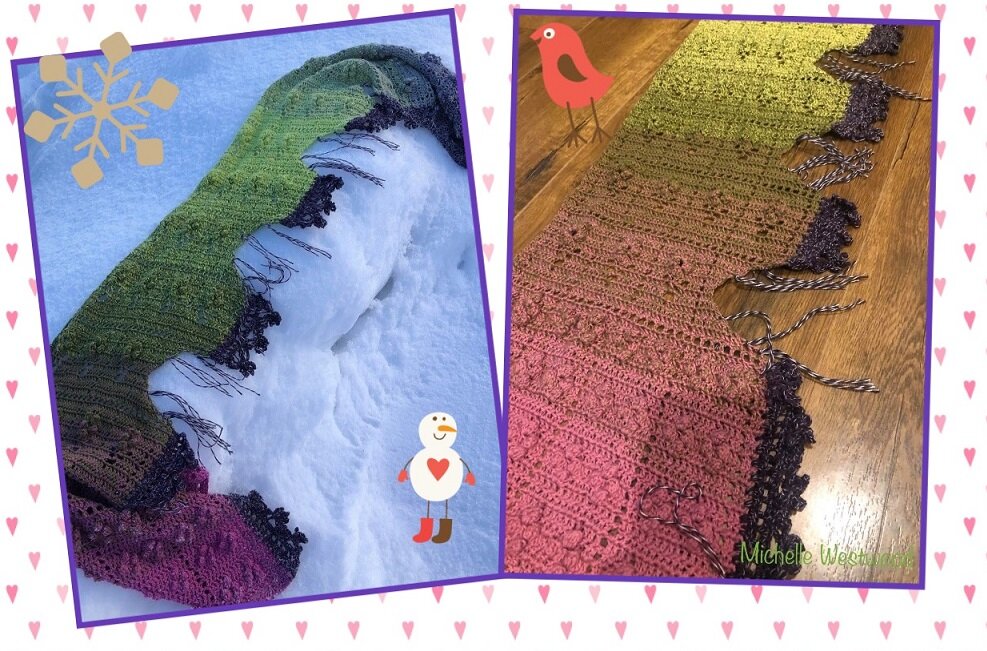
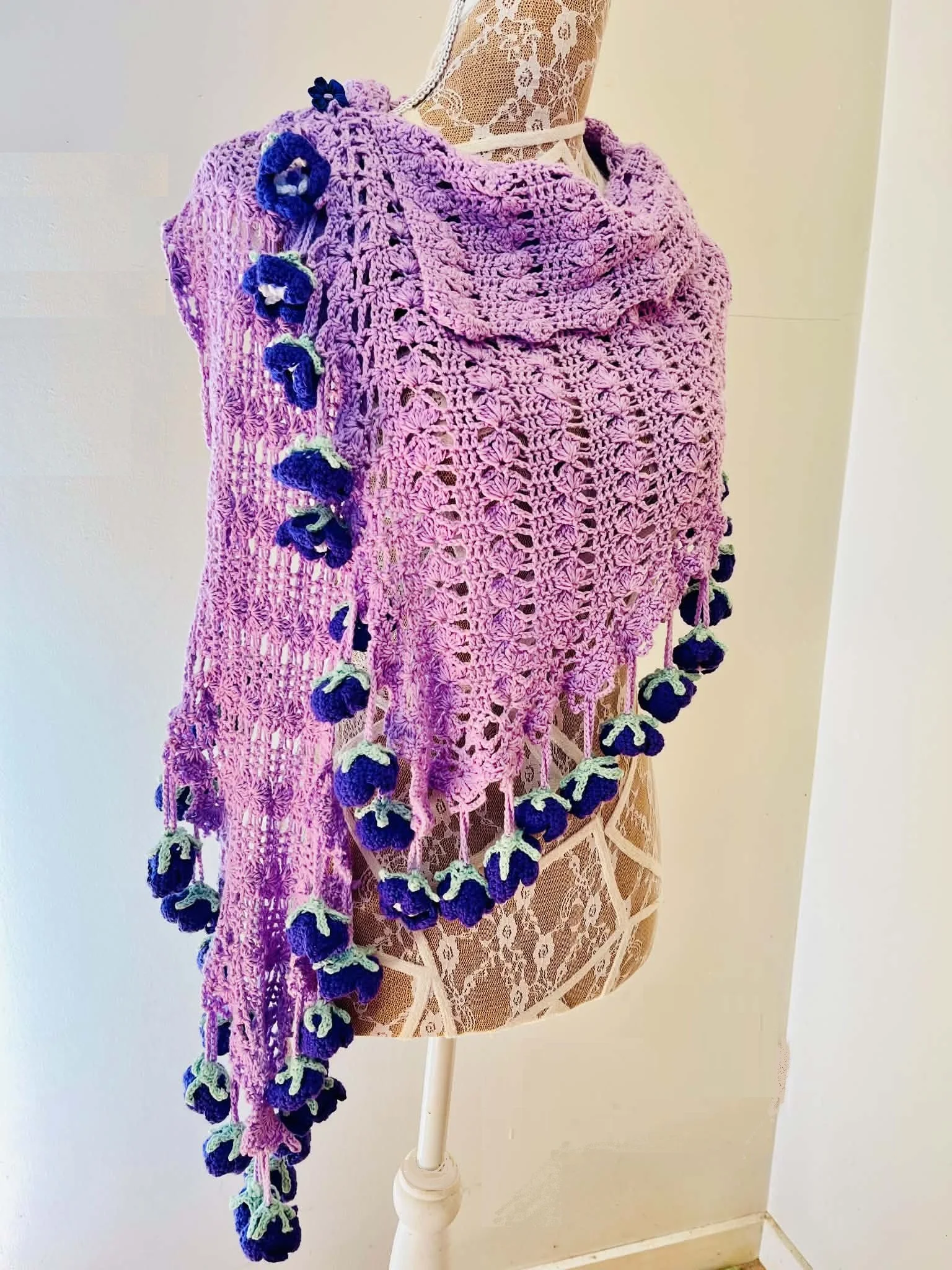
Take a look at my North, South, East, West Forget-Me-Knot Blanket, made using Scheepjes Whirl. Notice how striking the colour flow is across the blanket? That's not just a happy accident!

So, how do you achieve that effect?
You know those little fuzz buzz spots in the yarn? They're the places where one colour gradually blends into the next to create that lovely ombre effect.
Well, this is where the scissors come into play.
First, work out how many cakes you'll need for your project. Then, identify the corresponding colour transitions in each cake. By cutting at the fuzz buzz points and switching between the cakes at matching stages of the colour progression, you can keep the colours flowing more evenly across your work.
Yes, it creates extra ends to weave in. There's no escaping that little inconvenience!
But take another look at the result. I'd say the extra effort is well and truly worth it.
In this case, cutting the yarn isn't about removing a problem. It's about creating the effect you want. And, in my opinion, this is most definitely a time when you should reach for those scissors!
Another example: Six Wishes for a Dragonfly Blanket

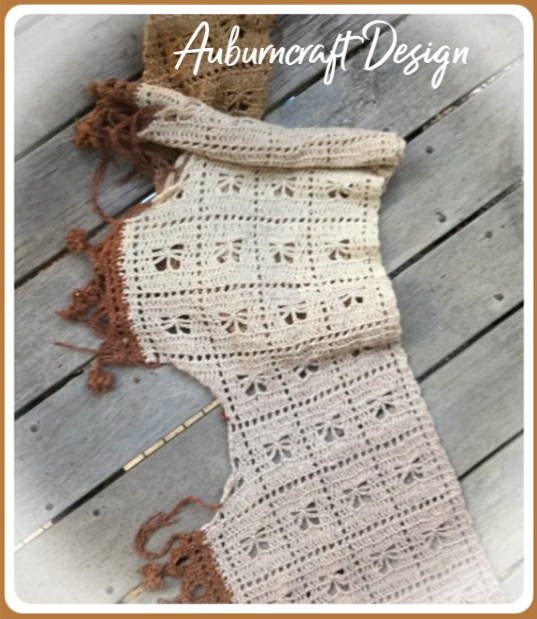
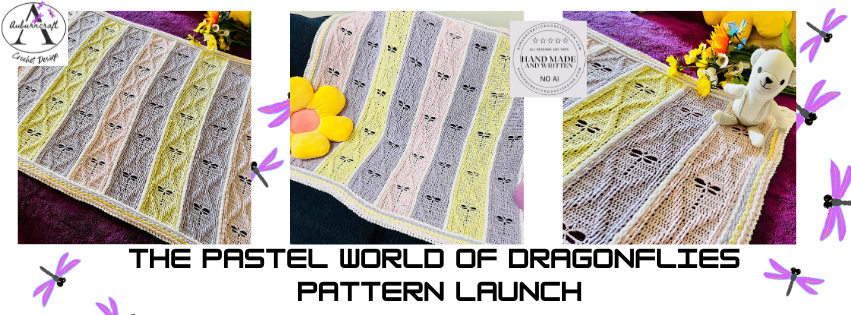
Another design where I've used this technique is my Six Wishes for a Dragonfly Blanket.
Once again, I used Scheepjes yarn, and those scissors were certainly earning their keep! I cut at every fuzz buzz transition so I could control the colour placement throughout the design.
And just look at how those colours work with the dragonflies. The carefully managed colour changes help the dragonflies stand out, making them really pop against the background.
Was it extra work? Absolutely.
Would I do it again? Without hesitation!
Both patterns are available, and you can read more about each one by clicking on the pictures below.
So, to cut or not to cut?
As you can see, there isn't one simple answer. Sometimes we cut to remove a join we don't trust, and sometimes we cut deliberately to achieve a particular colour effect.
Either way, don't be afraid to reach for those scissors when you need to. A few extra ends to weave in are a small price to pay for a result you'll love.
Scissors can be a crocheter's best friend!